

- Three forces, not greedy contractors: a deep skilled-labor shortage, materials rising faster than general inflation, and tariffs stacked on lumber, steel, copper, and cabinets.
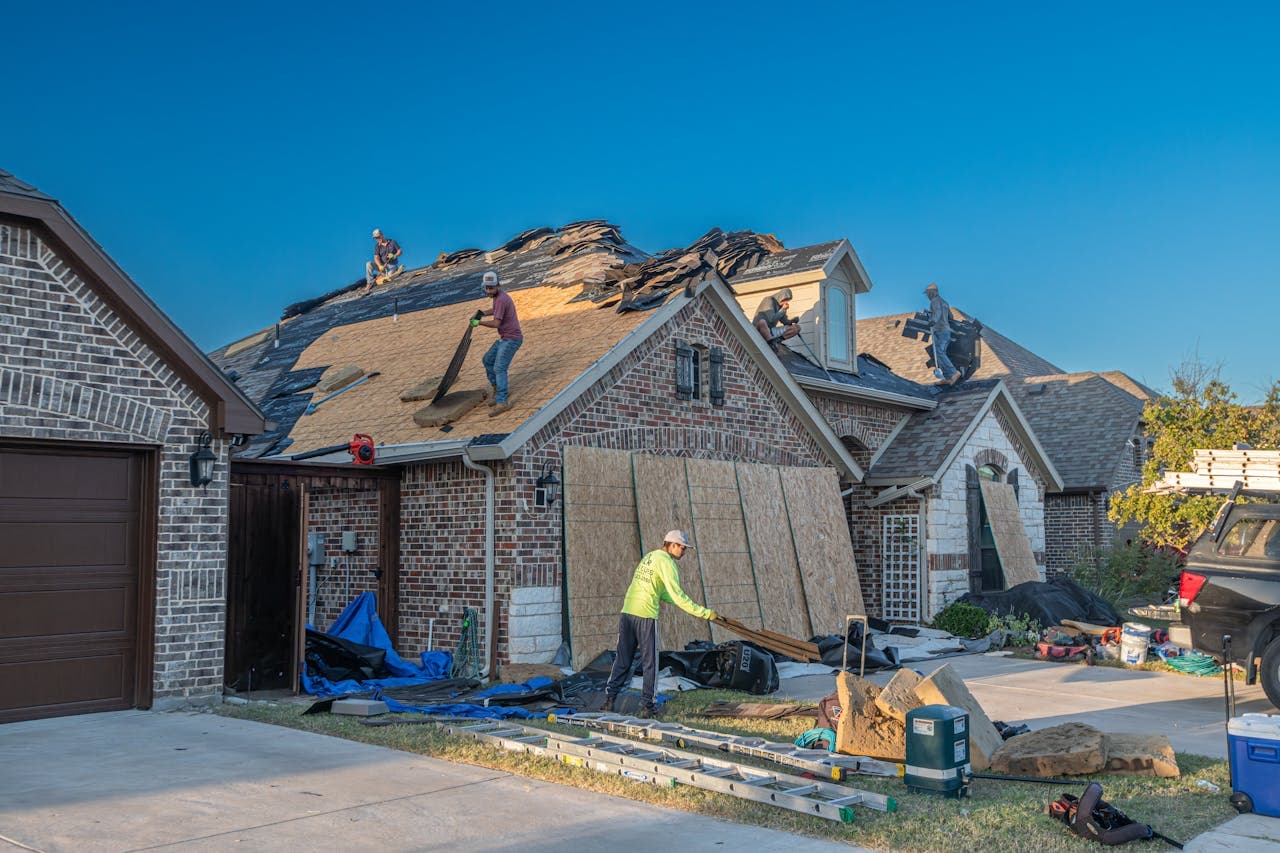
- Labor is the biggest driver: the industry needs roughly 723,000 new construction hires a year, and that scarcity shows up directly in your quote.
- Tariffs added real dollars: the NAHB estimates recent tariffs and duties have added at least $10,000 to the cost of a new home, and copper and cabinet work absorb the heaviest hits.
- Small exterior projects still pay: 8 of the 10 highest-ROI projects in the 2025 Cost vs. Value report are low-skill exterior replacements.
- Big remodels rarely pay back before a sale: full kitchens, additions, and structural work are exactly where labor and material inflation hurt most.
The short answer to why renovation costs are so high
You got a quote. It is thousands of dollars higher than what a neighbor paid two years ago for the same work, and higher than anything you saw online. Your contractor is not gouging you. Three separate pressures are stacking on top of each other at once, and each one is running hotter than general consumer inflation.
The first is labor. There are not enough plumbers, electricians, framers, and finish carpenters to go around, so their time costs more. The second is materials. Copper, steel, drywall, and specialty products have climbed sharply, and the price of skilled installation rides on top of that. The third is trade policy. Tariffs on Canadian lumber, imported steel and copper, and imported cabinets and appliances flow straight into the price of what goes inside your walls.
None of these is temporary noise. Below, we break down each one with current data, then get to the part that actually matters for your wallet: which projects still make financial sense in this market, and which ones to postpone. If you are weighing a project against your budget from the start, our guide on how much it costs to renovate a house pairs well with this piece.
Labor: the trades shortage is the biggest driver
Start with the people. Skilled trade labor is scarce, it has been scarce for years, and the shortage feeds directly into every line of your estimate.
The estimated required amount of construction worker hiring is approximately 723,000 per year, according to NAHB analysis of BLS data and projections. That is not a one-time gap. It reflects retirements and workers leaving the trades faster than new ones enter. There are currently 8.3 million payroll construction workers in the U.S. Of those, 3.4 million work in residential construction.
Even as the broader building market has cooled, the labor pinch has not gone away. Open construction jobs hit a record earlier in this cycle; the count of open construction jobs fell from 440,000 in April to 434,000 in May, and the April reading remains the highest measure in the history of the data series going back to late 2000. When more recent data showed openings ticking up again, the NAHB pointed to a specific cause: increasing immigration enforcement actions having an effect on worker availability, which is also contributing to the number of open positions.
Scarce labor costs more. Home building non-supervisory workers' wages rose 9.2% in July, substantially outpacing inflation and wage growth for the overall sector. And the shortage does not just raise wages; it stretches timelines, which costs money too. The NAHB puts a dollar figure on it: the aggregate annual impact of the skilled labor shortage in home building is $2.663 billion in higher carrying costs and $8.143 billion in lost single-family home building, a combined economic effect of $10.806 billion because of longer construction times.
What this means for you: the more skilled labor a project needs, the faster its price climbs. A garage door swap is a couple of hours for two people. A kitchen gut involves plumbers, electricians, tile setters, cabinet installers, and a general contractor coordinating them. That labor intensity is why interior remodels have inflated faster than simple replacements.
Materials: rising faster than the headlines suggest
Material prices are the second pressure, and the topline inflation number hides how uneven it is. Broad producer-price data from the U.S. Bureau of Labor Statistics shows real strength in construction inputs. As reported from BLS and industry data, broader measures that include both materials and certain services purchased by contractors rose 1.7% in one month and 8.1% year over year as of May 2026. A comparable index for new nonresidential construction increased 1.8% during the month and 8.4% from a year earlier. You can track the underlying numbers in the BLS producer price index news release.
The average, though, is misleading. Metals are where the pain concentrates. According to BLS data reported by industry economists, steel mill products were up 6.7% year over year, while copper and brass mill shapes increased 26.8% and aluminum mill shapes rose 48.8%. Copper hits home wiring and plumbing especially hard: copper wire and cable prices climbed 7.3% in one month and were 24.2% higher than a year earlier.
Builders feel it broadly. In an NAHB survey, a large majority (72.9%) of builders responding reported that their cost of materials for the same house increased by up to 15% over the past year. One genuine bright spot: commodity framing lumber has come well off its pandemic-era peak, so wood framing is not the runaway line item it was in 2021. That relief is partly offsetting the tariff pressure we cover next, but it does not extend to copper, drywall, or anything metal-intensive.
Read your own project, not the average: a rewire, a new panel, or a plumbing-heavy bathroom will inflate faster than the 8% headline because those jobs are copper-intensive. A deck or a fence built from commodity lumber may have barely moved. Ask your contractor to break out material versus labor so you can see where the increase is really coming from.

Not sure a renovation will pay off before you sell?
A top local agent can tell you which upgrades buyers in your zip code actually pay for, and which ones you should skip. That advice is free and it can save you five figures.
Find a top agent near youTariffs on lumber, steel, copper, and cabinets
The third pressure is trade policy, and 2025 and 2026 layered several tariffs onto materials that go into almost every renovation.
Lumber carries the biggest headline. Tariffs on Canadian softwood lumber now average 34.83%, although that rate could drop later in the year. That matters because Canada is the dominant supplier: the NAHB reports Canada supplied about 74% of the value of U.S. softwood lumber imports in 2024, meaning changes in tariffs on Canadian lumber could have a significant impact.
Metals and finished goods are hit too. A 50% steel and aluminum tariff went into effect in June 2025, a 50% tariff on imported semi-finished copper and derivative products such as pipes and wires began in August 2025, and a 25% tariff on imported kitchen cabinets and vanities took effect in October 2025. Add up the cumulative effect and the NAHB estimates that recent tariffs and duties have added at least $10,000 to the cost of a new home.
Do not assume you can dodge tariffs by buying American. Domestic prices tend to rise toward the tariff-inclusive import price, so "buy domestic" often saves less than people expect. The smarter move is to identify which specific products in your project have genuinely competitive domestic alternatives, and to lock material pricing in writing before your contractor starts.
| Material | Recent tariff action | Renovation types most exposed |
|---|---|---|
| Softwood lumber | ~34.83% combined duty (NAHB) | Additions, framing, decks, structural work |
| Copper | 50% on semi-finished copper (Aug 2025) | Rewires, new panels, plumbing repipes |
| Steel and aluminum | 50% (June 2025) | Structural beams, railings, roofing, windows |
| Cabinets and vanities | 25% on imports (Oct 2025) | Kitchen and bathroom remodels |
Selection is shrinking too, not just price. As tariffs push importers toward their bestsellers, the variety of imported cabinet styles, finishes, and profiles is narrowing. If you have your heart set on a specific look, confirm availability now rather than at order time.
Permits, insurance, and the soft costs nobody quotes
Labor and materials are the visible drivers. Two quieter ones are climbing as well. Permitting and code compliance keep getting more involved as jurisdictions adopt newer building codes, which can add both fees and required work (upgraded outlets, GFCIs, and the like) to a project you thought was simple.
Insurance is the other. Builders and remodelers carry general liability and workers' compensation, and contractor insurance costs have risen alongside the broader property-insurance market. Those premiums get built into your bid. If you own the home, your own coverage matters too; our breakdown of the homeowners insurance crisis explains why premiums keep climbing and how it touches renovation and resale decisions. Financing a project is more expensive too, since carrying costs during a longer build have gone up with interest rates.
Renovation Cost Inflation Adjuster
Enter a quote you got a few years ago (or a typical past cost for your project), how many years ago it was, a rough annual increase for that project type, and a regional cost factor. See what that same project might run today. Estimate for education only; get real quotes before you budget.
Tip: labor-heavy interior remodels tend to run 8% to 10% annual increases; simple exterior replacements run lower. High-cost coastal metros push the regional factor above 1.2.

Which projects still pencil out for resale
Here is the honest part, and it is good news if you are renovating to sell. The projects that survive an expensive labor market are the small, low-skill, high-curb-appeal ones. That is not opinion; it is what the data shows year after year.
Zonda's 2025 Cost vs. Value report, the industry's longest-running study of remodeling returns, is blunt about it. This year's report confirms a consistent truth in the remodeling market over the last two decades: exterior renovations deliver a higher return on investment than discretionary interior remodels. The reason is exactly the labor story above: exterior replacement projects carry lower labor costs because they are far less skill-intensive than complex interior kitchen and bath remodels and additions.
The rankings back it up. For the second consecutive year, garage door replacement takes the top spot, followed by steel entry door replacement and manufactured stone veneer, and each of these projects more than doubled the cost of investment. Across the whole list, 8 of the top 10 projects are exterior replacements, and a minor kitchen remodel remains the only interior project in the top five. You can read the full rankings in Zonda's 2025 Cost vs. Value report.
Two newer entries are worth noting. A backup power generator entered the top 10 for the first time, with ROI exceeding 100% in hurricane-prone and storm-affected regions. And among the freshly added categories, basement remodels, ADUs, and rooftop solar show varying payoffs, with basement remodels proving most consistent nationwide. If an ADU is on your radar, run those numbers carefully, because the payoff is highly local.
Scenario: selling in six months
You have $8,000 to spend before listing. Skip the half-bath addition. Put it into a new garage door, a steel entry door, fresh exterior paint or a stone veneer accent, and cleaned-up landscaping. These are fast, low-labor, and they hit the first 15 seconds a buyer sees. Pair them with low-cost staging inside and you have spent your budget where it converts.
Which projects to defer (and why)
The flip side is just as important. The projects that inflated the most are the same ones least likely to return their cost at sale. That is a double hit: you pay a premium to build them, and you recover a smaller share when you sell.
- Full custom kitchen gut. Maximum labor intensity plus tariff-exposed cabinets and appliances. Personal finishes rarely appeal to the whole buyer pool. If the kitchen is functional, a minor refresh beats a teardown.
- Room additions. Framing, foundation, roofing, mechanicals, and permits all at once, at today's labor rates. These almost never return their cost before a near-term sale.
- Upscale primary suite remodels. High cost, subjective taste, modest resale lift. Fine if you will enjoy it for years; poor if you are selling soon.
- Over-improving for your block. Spending your way past the ceiling of your neighborhood is money you will not recover. Our guide on how not to over-improve your home walks through the math.
Deferring is not the same as never. If you plan to stay five or ten years, a kitchen or a suite you love has real value to you every day you live there, even if it does not fully return at sale. The distinction that matters is timeline: renovate for resale differently than you renovate for your own life.
Get a pre-sale plan before you spend a dime
Top agents walk your home and tell you the three or four fixes that move your sale price, and the ones buyers ignore. Match with performers ranked on real results.
Compare agents freeHow to protect your renovation budget
Lock material prices in the contract
Get a signed contract that fixes material costs, or includes a clear escalation clause tied to a published index. This shields you from mid-project tariff and commodity swings.
Get three bids and read the labor split
Ask each contractor to separate labor from materials. Wide gaps in the labor line tell you who is padding and who is competitive in a tight trade market.
Favor low-skill, high-impact work before a sale
Doors, paint, curb appeal, and a minor kitchen refresh beat gut jobs on return. Let the Cost vs. Value data guide you, not a showroom.
Confirm material availability early
Order tariff-exposed items (cabinets, specialty finishes) well ahead. Selection is narrowing, and a backordered cabinet line can stall an entire job.
Match financing to timeline
If you are renovating to sell, avoid taking on expensive long-term debt for a short-term project. Weigh your options in our guide to financing renovations before you sell.
Frequently asked questions
Why are renovation costs rising faster than regular inflation?
Three construction-specific pressures compound at once: a skilled-labor shortage that raises wages and stretches timelines, materials like copper and steel climbing well above the general inflation rate, and tariffs added to lumber, metals, cabinets, and appliances. Consumer inflation does not capture any of these directly, so your quote outpaces the CPI you see in the news.
How much have tariffs added to building costs?
The National Association of Home Builders estimates recent tariffs and duties have added at least $10,000 to the cost of a new home. Most Canadian softwood lumber faces a combined duty burden of roughly 34.83%, imported steel, aluminum, and semi-finished copper carry 50% tariffs, and imported cabinets and vanities carry 25%. Renovations heavy in copper wiring, plumbing, or imported cabinets feel it most.
Is the labor shortage really that bad?
Yes. The NAHB estimates the industry needs roughly 723,000 new construction hires per year, and open construction jobs recently reached the highest level in the history of the data series. The shortage costs home building an estimated $10.8 billion a year in higher carrying costs and lost production from longer build times. Scarce skilled labor is the single biggest reason your quote is higher.
Which renovation gives the best return right now?
Simple exterior replacements. In the 2025 Cost vs. Value report, garage door replacement ranked first, followed by steel entry door replacement and manufactured stone veneer, and each more than doubled its cost. Eight of the top ten projects were exterior replacements. These win because they are low-skill, fast, and drive the curb appeal buyers react to first.
Should I still remodel my kitchen before selling?
A full custom gut usually does not return its cost before a near-term sale, because it is labor-intensive and exposed to cabinet and appliance tariffs. A minor kitchen refresh (refacing, hardware, one or two updated appliances) is the only interior project that consistently cracks the top five for ROI. If the kitchen functions, refresh rather than replace.
Are lumber prices coming down?
Commodity framing lumber has come well off its 2021 peak, so wood framing is not the runaway cost it was a few years ago. But tariffs on Canadian softwood are pushing in the other direction, and metal-intensive materials like copper and steel have kept rising. The net effect depends heavily on your specific material mix.
How do I keep a contractor from raising the price mid-project?
Get a signed contract that fixes material costs or uses a clear escalation clause tied to a published price index, so neither side can move the number arbitrarily. Order tariff-exposed items early while pre-tariff inventory lasts, and get the labor and material lines broken out separately so you can see exactly what is changing.
Should I just sell as-is instead of renovating?
Often, yes, if the alternative is an expensive gut with a weak payback. Small curb-appeal fixes plus a competitive price frequently net more than a big remodel in an expensive labor market. A local agent can price both paths for your specific home so you are comparing real numbers, not guesses.
The honest bottom line
Renovation quotes are high for reasons outside your contractor's control: too few skilled workers, materials rising faster than general inflation, and tariffs stacked on the metals, wood, and cabinets that go into your home. None of that is likely to reverse quickly. But that does not mean renovating is a bad move. It means being selective. A handful of small, low-labor, high-curb-appeal projects still return more than they cost, while big structural remodels increasingly do not pay back before a sale. Match the project to your timeline, lock your pricing, and get a pro to tell you where your dollars actually move your sale price.
Spend on the right upgrades, not the expensive ones
Match with a top-performing local agent who can price your home two ways: as-is versus improved. Free, fast, and based on real sales data.
Get matched with an agentDisclaimer: This article is for informational purposes only and should not be considered financial, investment, or legal advice. Figures are drawn from the National Association of Home Builders, the U.S. Bureau of Labor Statistics producer price index, Zonda's 2025 Cost vs. Value report, and industry reporting on tariffs, and reflect data available as of September 2026; prices, tariff rates, and returns change over time and vary by region and project. Verify current quotes and rules before making decisions. EffectiveAgents is a real estate agent matching service.