

TL;DR
The average time to sell a house in 2025 ranges from 47 to 99 days, encompassing both time on market (typically 16-58 days depending on season and location) and the closing process (30-45 days). Spring and early summer offer the fastest sales, while winter months see homes lingering longer. Your actual timeline depends heavily on local market conditions, pricing strategy, home condition, and the expertise of your real estate agent.
The Average Home Sale Timeline in 2025
If you're preparing to sell your home, one of the first questions you'll likely ask is how long the entire process will take. The answer involves two distinct phases: time on market and the closing period, each influenced by different factors.
According to the National Association of REALTORS®, homes spent an average of 51 days on the market as of mid-2025, followed by an average 35-day closing period. This brings the total average from listing to keys-in-hand to approximately 86 days. However, this national figure masks significant regional and seasonal variations that could dramatically affect your personal timeline.
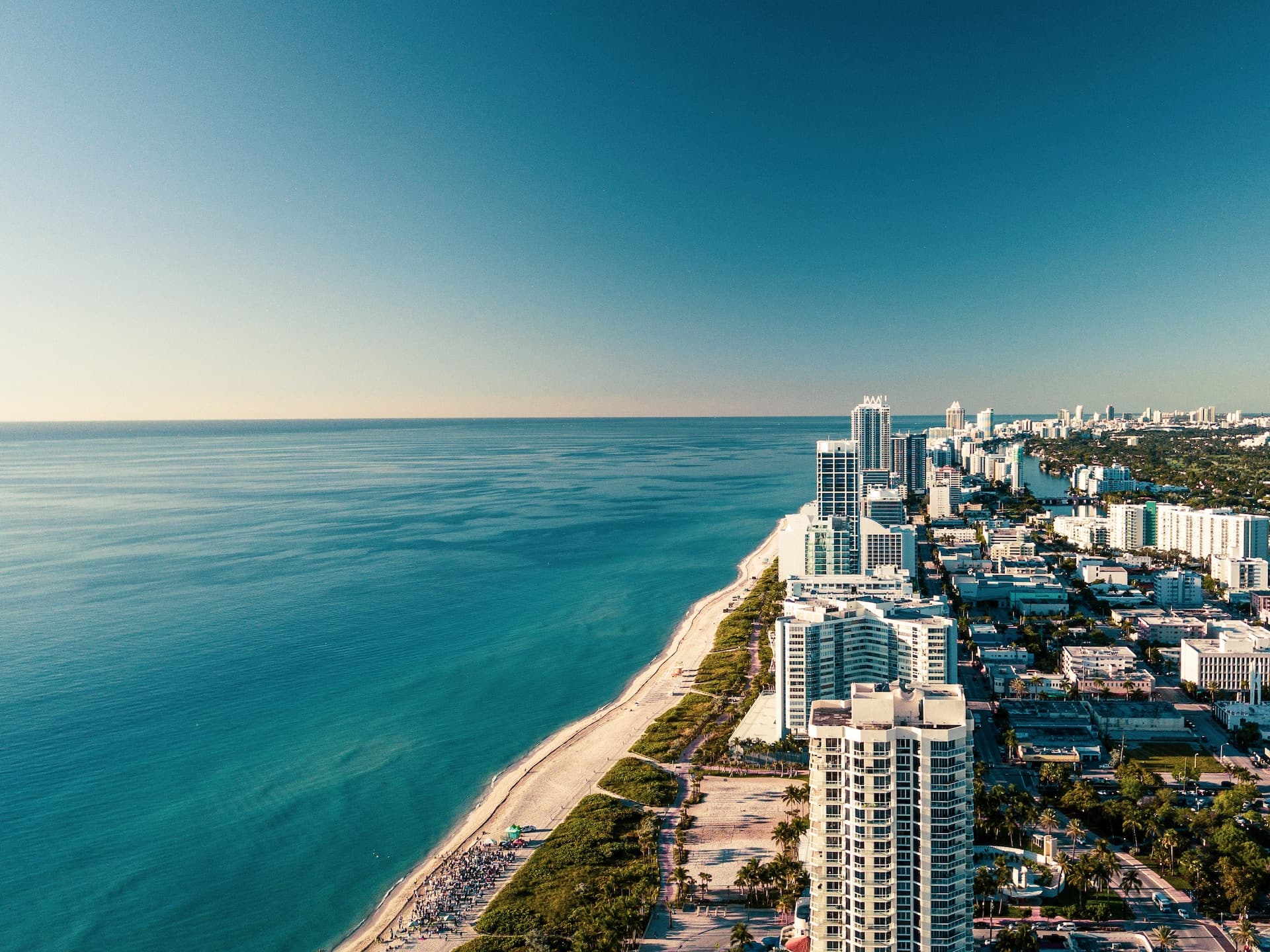
The variation in these numbers reflects market realities. In competitive markets like Grand Rapids, Michigan, homes sell in as few as 13 days. In slower markets like Miami, properties may sit for 69 days or more before receiving an acceptable offer. Understanding where your market falls on this spectrum helps set realistic expectations.
Breaking Down the Home Selling Process
Every home sale moves through predictable phases, though the duration of each varies based on circumstances. Understanding these phases helps you plan your move and avoid common delays that can derail your timeline.
Preparation Phase: 2-8 Weeks
This includes selecting your real estate agent, completing repairs and improvements, staging your home, and coordinating professional photography. Many sellers underestimate this phase, but thorough preparation directly impacts how quickly your home sells.
Time on Market: 2-8 Weeks
Once listed on the MLS, your home becomes visible to buyers and their agents. The 2025 national average is approximately 51 days, though well-priced homes in strong markets may receive offers within the first week.
Closing Period: 30-45 Days
After accepting an offer, buyers complete inspections, appraisals, and secure financing. This phase includes title searches, final negotiations, and document preparation before the closing date.
How Market Conditions Affect Your Timeline
The broader real estate market plays a decisive role in how quickly your home will sell. Several key indicators help determine whether you're selling in a buyer's market, a seller's market, or a balanced environment.
Current Market Dynamics
As of mid-2025, housing inventory stands at approximately 4.7 months of supply. For context, a balanced market typically features around six months of inventory. When supply drops below this threshold, sellers gain advantage and homes sell faster. When inventory exceeds six months, buyers have more negotiating power and homes tend to linger on the market.
Mortgage rates remain a significant factor in 2025. According to Federal Reserve Economic Data, rates hovering around 6-7% have created hesitancy among some buyers, particularly those who locked in ultra-low rates during the pandemic era. This has contributed to longer days on market compared to the historically fast-paced conditions of 2021-2022.
Understanding Days on Market (DOM)
Days on Market measures how long a property has been actively listed before going under contract. A high DOM relative to your area's average can signal pricing issues to potential buyers. Research shows that most homes receive their strongest offers within the first two weeks of listing, making proper pricing from day one essential.
Seasonal Patterns
Seasonality significantly impacts home sale timelines. Spring and early summer consistently deliver the fastest sales and highest prices. According to Redfin market data, May and June typically show the lowest median days on market—both averaging around 33 days in 2024. The NAR identified April 13-19 as the optimal selling week in 2025, combining above-average prices, strong buyer demand, and reduced seller competition.
Winter presents the opposite scenario. January and February consistently show the longest days on market, with properties taking 50-57 days to go under contract in recent years. Median sale prices in January 2025 averaged approximately $393,400—nearly $40,000 less than May's median prices.
Ready to Sell Your Home?
Get matched with a top-performing Realtor® who knows your local market and can help you sell faster.
Find Your Agent TodayHow Pricing Strategy Impacts Sale Speed
Of all the factors within your control, pricing has the most immediate impact on how quickly your home sells. Overpriced homes don't just sell slowly—they often sell for less than they would have with accurate initial pricing.
When a home is priced correctly from the start, it generates the highest buyer interest during its first two weeks on market. This initial exposure is critical because serious buyers monitor new listings closely. A well-priced home can spark multiple offers, potentially driving the final sale price above asking.
The Danger of Overpricing
Homes that sit on the market too long develop a stigma. Buyers begin to wonder what's wrong with the property or assume the seller is unreasonable. By the time you reduce the price, you've lost the valuable first-impression window and may be negotiating from a weaker position.
Your Realtor® should provide a Comparative Market Analysis (CMA) that examines recent sales of similar homes in your area. This data-driven approach helps establish a price that attracts buyers while maximizing your return. If your home isn't generating showings or offers within the first few weeks, a price adjustment may be necessary to reset buyer expectations.
How Your Home's Condition Affects Sale Time
Even in a strong seller's market, a home in poor condition will struggle to attract offers. Today's buyers—especially in a market shaped by high mortgage rates—expect move-in-ready properties and are less willing to take on projects.
Pre-Listing Improvements That Matter
Not all home improvements deliver equal returns. Focus on updates that address buyer concerns and improve first impressions. Fresh paint in neutral colors, modern light fixtures, and updated hardware offer strong returns with minimal investment. Major systems like roofing, HVAC, and plumbing should be in good working order, as issues here frequently derail sales during inspection.
Curb appeal directly influences whether buyers want to see the inside of your home. Landscaping improvements, a fresh coat of paint on the front door, and power washing can dramatically improve your home's first impression. These relatively inexpensive upgrades often pay dividends in faster sales and stronger offers.
If you're struggling to sell your home, our guide on why your house isn't selling identifies the most common issues and provides actionable solutions to get your sale back on track.
High-Impact, Low-Cost Updates
- Fresh interior paint in neutral tones
- Deep cleaning and decluttering
- Updated cabinet hardware and light fixtures
- Landscaping and curb appeal improvements
- Professional staging consultation
Red Flags That Slow Sales
- Outdated or damaged roofing
- Visible foundation issues
- Aging HVAC systems
- Outdated electrical or plumbing
- Signs of water damage or mold
Why Your Choice of Agent Matters
The real estate agent you choose has a direct impact on how quickly your home sells and for how much. Experienced agents bring market knowledge, negotiation skills, and marketing expertise that can significantly accelerate your timeline.
What Top-Performing Agents Deliver
A skilled listing agent provides accurate pricing guidance based on comprehensive market analysis, not wishful thinking. They understand what buyers in your area want and can advise on which improvements will actually impact your sale. Their marketing reaches qualified buyers through professional photography, compelling listing descriptions, and strategic exposure across multiple platforms.
Perhaps most importantly, experienced agents know how to navigate the closing process efficiently. They anticipate potential problems, coordinate with all parties involved, and keep the transaction moving toward a successful close. Learn more about how a top real estate agent can sell your home quickly.
Questions to Ask Potential Agents
Before selecting your agent, ask about their average days on market compared to the local average, their list-to-sale price ratio, and their specific marketing plan for your property. Top agents should be able to demonstrate a track record of selling homes faster and for more money than the competition.
Find a Top-Performing Realtor® in Your Area
EffectiveAgents.com analyzes actual performance data to match you with agents who sell homes faster and for more money.
Get Matched NowUnderstanding the Closing Timeline
Once you accept an offer, the closing process begins—a phase that typically takes 30-45 days but can extend longer if complications arise. Understanding what happens during this period helps you avoid delays and plan your move effectively.
Key Milestones in Closing
The buyer's lender orders an appraisal to confirm the home's value supports the loan amount. Simultaneously, the buyer arranges a home inspection to identify any issues with the property. Title companies conduct searches to ensure clear ownership and no outstanding liens. These processes run concurrently but each represents a potential point where delays can occur.
According to NAR data, approximately 13% of contracts experience delayed settlements, with appraisal issues accounting for about 7% of these delays. Other common causes include buyer financing complications, inspection-related negotiations, and title issues that require resolution before closing.
Contingencies and Their Impact
Most purchase contracts include contingencies—conditions that must be met for the sale to proceed. Common contingencies include financing, appraisal, and inspection contingencies. Some buyers also include a home sale contingency, meaning the purchase depends on selling their current home first. While contingencies protect buyers, they can extend your timeline if issues arise.
For a complete guide to what happens at the end of your home sale, see our resource on closing on your home sale.
Your Next Steps
Selling a home involves many variables, but understanding the process helps you set realistic expectations and make informed decisions. The typical 47-99 day timeline from listing to closing can be shortened with proper preparation, accurate pricing, and the right real estate professional guiding your sale.
Start by interviewing agents who specialize in your area and can demonstrate strong performance metrics. Prepare your home for maximum buyer appeal while your agent develops a pricing strategy based on current market conditions. With the right approach, you can sell your home efficiently and move forward to your next chapter.
Get Started With a Free Agent Match
Answer a few questions and see which top-performing Realtors® in your area are best suited to sell your home quickly and for top dollar.
Find Your Agent