


TL;DR
A pre-listing home inspection is a proactive strategy where sellers hire a professional inspector before listing their home. With contract cancellation rates reaching 15% and inspection issues being the leading cause of failed deals, investing $300 to $500 upfront can prevent costly surprises, strengthen your negotiating position, and help you sell faster. Top-performing real estate agents increasingly recommend this approach to give sellers control over repairs, accurate pricing, and buyer confidence from day one.
Selling a home comes with enough stress without the added anxiety of wondering what a buyer's inspection might uncover. A cracked foundation, aging electrical panel, or hidden plumbing issue discovered after you've already accepted an offer can derail negotiations, slash your sale price, or cause the entire deal to collapse.
Pre-listing home inspections offer a strategic solution that puts sellers in the driver's seat. By identifying potential problems before your home hits the market, you gain the opportunity to address issues on your own terms, price your home accurately, and demonstrate transparency that builds buyer confidence.
Ready to Sell Your Home for Top Dollar?
Connect with a top-performing agent who can guide you through every step of the selling process.
Find Your Expert AgentWhat Is a Pre-Listing Home Inspection?
A pre-listing inspection, also called a seller's inspection or pre-sale inspection, is a professional examination of a home's condition conducted before the property goes on the market. Unlike the traditional buyer's inspection that happens after an offer is accepted, a pre-listing inspection gives sellers advance knowledge of their home's structural integrity, mechanical systems, and potential defects.
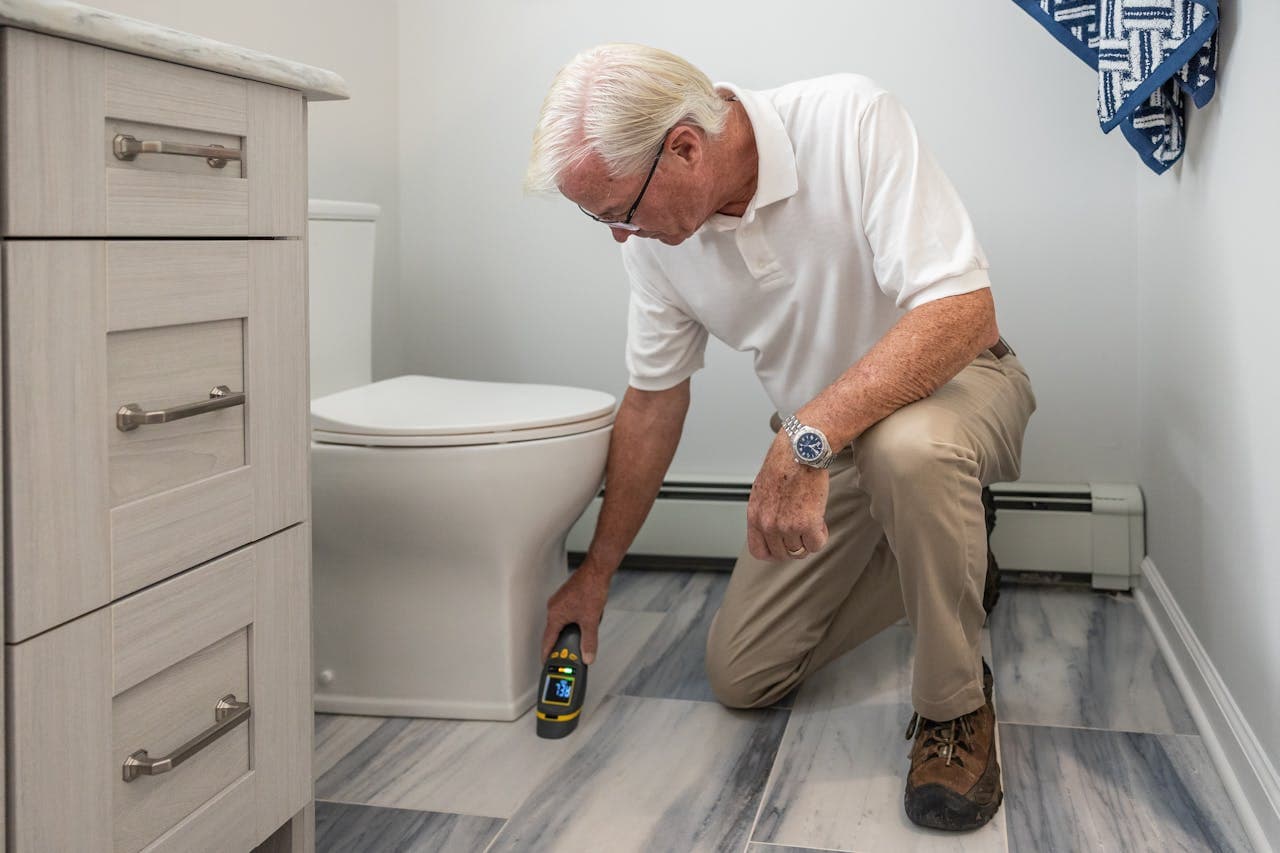
The process mirrors a standard home inspection. A licensed inspector examines the property's major components, typically spending two to four hours evaluating everything from the roof to the foundation. Within a day or two, you receive a detailed report documenting the home's condition, identifying issues that might concern buyers, and often including repair recommendations.
According to the Zillow Group Consumer Housing Trends Report, approximately 25% of sellers now get a home inspection before contacting an agent. This practice has become the third most common pre-listing activity, following home improvements and pricing research.
What a Pre-Listing Inspection Covers
A comprehensive pre-listing inspection evaluates all the critical systems and components that affect a home's safety, functionality, and value. Professional inspectors trained through accredited programs follow standardized protocols to ensure thorough examination of your property.
Standard Pre-Listing Inspection Areas
Beyond the standard inspection, sellers can opt for specialized testing based on their home's characteristics or regional concerns. These additional services come at extra cost but may be worthwhile depending on your situation and local market expectations.
Why Pre-Listing Inspections Matter in Today's Market
The real estate landscape has shifted significantly, making pre-listing inspections more valuable than ever. Contract cancellation rates have climbed to concerning levels, with recent data from Redfin showing approximately 15% of home sale contracts cancelled in mid-2025, representing the highest cancellation rate recorded for that period. The NAR REALTORS Confidence Index reports a national cancellation rate of 6%, though some regional markets experience significantly higher rates.
Survey data from John Burns Research and Consulting and Keeping Current Matters identifies home inspections as the leading cause of failed contracts. Redfin agents confirm this trend, reporting that more than 70% of the deals that fall through do so during the inspection period.
Today's buyers face significant financial pressures from elevated mortgage rates and high home prices, leaving little room in their budgets for unexpected repairs. When inspections reveal problems, financially stretched buyers often choose to walk away rather than negotiate repairs or credits. With inventory increasing in many markets, buyers know they have more options, making them less willing to take on properties with issues.
Market Insight
Real estate professional Melissa Bailey of the Jason Mitchell Group in Scottsdale, Arizona, recently had a listing fall out of contract four separate times. The pattern revealed a troubling trend: buyers backed out immediately upon receiving inspection reports without even giving the seller opportunity to address concerns. As Bailey notes, buyers today will walk away at the slightest hint of needed repairs.
Pre-Listing Inspection Cost Analysis
Understanding the financial investment required for a pre-listing inspection helps sellers make informed decisions about whether this strategy makes sense for their situation. The costs are relatively modest compared to the potential savings from avoiding deal failures or last-minute price negotiations.
Pre-Listing Inspection Cost Guide
The National Association of REALTORS reports that average home inspection costs in 2025 run approximately $400, while HomeAdvisor data indicates most homeowners pay between $296 and $424. Geographic location significantly affects pricing, with inspections in Hartford, Connecticut averaging $489 while Detroit markets come in around $294.
When evaluating whether to invest in a pre-listing inspection, consider the potential return. A cancelled contract means relisting your home, often at a reduced price, plus additional carrying costs for mortgage payments, utilities, and insurance during the extended selling period. The inspection cost is typically recouped many times over by preventing even one failed transaction.
Strategic Benefits of Pre-Listing Inspections
The advantages of conducting a pre-listing inspection extend beyond simply avoiding surprises. This proactive approach can strengthen your negotiating position, accelerate the sale timeline, and potentially increase your final sale price.
Control Over Repairs and Timing
When issues surface during a buyer's inspection, sellers face pressure to complete repairs quickly or offer substantial credits. The timeline is compressed, contractor options are limited, and buyers often dictate which professionals can perform the work.
A pre-listing inspection shifts this dynamic entirely. You can choose which issues to address, select your own contractors, and shop for competitive pricing without the pressure of a closing deadline. Minor repairs that could raise red flags with anxious buyers, such as a loose faucet, a slow drain, or a sticking window, can be fixed inexpensively before anyone walks through the door.
Stronger Negotiating Position
Knowledge is power in real estate negotiations. When you already know your home's condition and have priced accordingly, buyers have less room to demand concessions based on inspection findings. If you've addressed major concerns before listing, your position becomes even stronger.
Real estate agent Cara Ameer of Coldwell Banker's Vanguard Realty emphasizes this point, noting that when sellers get a grip on their home's condition on their own terms, they enter negotiations from a position of strength rather than defense.
Get Expert Guidance on Your Home Sale
Top agents know how to position your home for maximum value. Let us match you with a proven performer in your area.
Connect With a Top AgentEnhanced Marketing Potential
Pre-listing inspections don't just uncover problems; they can also validate what's working well. If your inspector confirms the furnace has years of life remaining, the roof is in excellent condition, or the electrical system is fully up to code, these become powerful marketing points.
Some inspection companies even provide yard signs announcing that the home has been pre-inspected, positioning it as a certified pre-owned property. This transparency builds trust with prospective buyers and can differentiate your listing in a competitive market.
Faster Closing Process
With inspection issues already addressed, the path from accepted offer to closing becomes smoother and faster. Buyers who review a pre-listing inspection report and still proceed with an offer demonstrate serious intent. They're less likely to request extensive negotiations or additional contingencies, and the transaction can move forward without the delays that often accompany inspection-related disputes.
Inspection specialist Yolaine Bonner, Vice President of Florida Insurance Inspection, recommends sellers conduct pre-listing inspections six months to a year ahead of listing when possible. This timeline allows ample opportunity to address necessary repairs without feeling rushed.
Potential Drawbacks to Consider
While pre-listing inspections offer significant advantages, sellers should understand the potential downsides before committing to this strategy. Making an informed decision requires weighing both the benefits and risks.
Advantages
- Identify issues before buyers do
- Control timing and choice of repairs
- Price your home accurately from day one
- Build buyer trust and confidence
- Strengthen negotiating position
- Potentially faster closing process
- Reduce risk of cancelled contracts
Considerations
- Additional upfront cost ($300-$500)
- May uncover issues you're obligated to disclose
- Buyers typically still get their own inspection
- May reveal problems requiring expensive repairs
- Findings may conflict with buyer's inspector
- Not necessary for newer homes in good condition
Disclosure Obligations
The most significant consideration involves disclosure requirements. In most states, sellers must disclose known material defects to potential buyers. Once a pre-listing inspection reveals an issue, you become aware of it, which typically triggers disclosure obligations even if you choose not to repair it.
This reality cuts both ways. On one hand, it might require disclosing problems that a buyer's inspector could have missed. On the other hand, proactive disclosure demonstrates honesty and can protect you from future liability claims if issues surface after the sale.
Disclosure requirements vary significantly by state. Some states like California have strict requirements mandating disclosure of prior inspection reports, while others like Texas only require disclosure of the property's condition "to the best of the seller's belief and knowledge" without specifically requiring attachment of previous inspection reports. Working with an experienced real estate agent familiar with your state's laws is essential for navigating these requirements properly.
Buyer's Inspector May Find Different Issues
Completing a pre-listing inspection doesn't guarantee a smooth buyer's inspection. Different inspectors have varying levels of experience, areas of focus, and thoroughness. A buyer's inspector might identify concerns your inspector missed, or interpret the same findings differently.
This reality means a pre-listing inspection reduces but doesn't eliminate inspection-related risks. However, having your own report provides a baseline and demonstrates your commitment to transparency, which often helps when navigating any discrepancies that arise.
Pre-Listing vs. Buyer's Inspection
Understanding how pre-listing inspections differ from traditional buyer's inspections helps sellers appreciate why this proactive approach creates strategic advantages throughout the selling process.
| Factor | Pre-Listing Inspection | Buyer's Inspection |
|---|---|---|
| Who Pays | Seller | Buyer |
| Timing | Before listing the home | After offer accepted |
| Primary Audience | Seller (for planning purposes) | Buyer (for decision-making) |
| Repair Timeline | Flexible, seller's choice | Compressed by closing deadline |
| Negotiation Impact | Strengthens seller's position | Often favors buyer |
| Deal Risk | Reduces cancellation risk | Common cause of cancellations |
| Contractor Selection | Seller chooses freely | Buyer may dictate choices |
The fundamental difference comes down to control and timing. Pre-listing inspections give sellers the information and time needed to make strategic decisions, while buyer's inspections often put sellers in reactive positions with limited options.
When a Pre-Listing Inspection May Not Be Necessary
Pre-listing inspections aren't universally necessary. Certain situations may warrant skipping this step to save time and money while still achieving a successful sale.
Newer Construction Homes
If your home is relatively new and you've been the only owner, you likely already know its condition well. Homes less than five to ten years old typically have fewer hidden issues, and you may have documentation from the builder's inspection and any warranty work performed.
Recently Renovated Properties
When you've recently completed major updates with licensed contractors, such as a new roof, HVAC system, or electrical panel, a pre-listing inspection may be redundant. The permits and documentation from these projects can provide buyers with the assurance they need.
Properties Selling As-Is
If you're selling your home as-is at a price reflecting its condition, a pre-listing inspection may not change your strategy. However, even as-is sellers should understand their disclosure obligations for known defects.
Extremely Hot Markets
In rare market conditions where multiple cash offers arrive within hours and buyers routinely waive inspection contingencies, the value of a pre-listing inspection diminishes. That said, such conditions are increasingly uncommon, and the inspection remains valuable insurance even in competitive markets.
How Top Agents Use Pre-Listing Inspections
Experienced real estate agents increasingly recommend pre-listing inspections as a standard part of their listing strategy. Understanding how top performers incorporate this tool can help you maximize its value.
The best agents evaluate each property individually during the listing appointment. If a seller describes known issues, an older home, or concerns about potential problems, the agent often suggests a pre-listing inspection as a first step before photography or marketing begins.
Real estate professional Joe Graziano of the DeBartoli Real Estate Group explains his approach: when sellers mention leaks, repairs, or other concerns during the listing appointment, he suggests getting an inspection to ensure there aren't additional items that might surface later and jeopardize the deal.
Strategic Repair Prioritization
Once inspection results arrive, skilled agents help sellers prioritize which issues to address based on local market expectations and buyer preferences. Not every finding requires repair. Some issues might be disclosed and reflected in pricing, while others, particularly safety concerns or items that could prevent financing, should be addressed before listing.
An experienced agent knows which problems typically cause buyers to walk away and which are commonly accepted. They can guide you toward repairs that offer the best return on investment while avoiding unnecessary expenditures on items that won't affect the sale.
Sell Smarter With a Top-Performing Agent
The right agent knows exactly how to position your home for maximum value. Our network includes vetted professionals with proven track records.
Find Your Agent TodaySteps to Getting a Pre-Listing Inspection
If you've decided a pre-listing inspection makes sense for your situation, following a systematic approach ensures you get maximum value from the investment.
Finding a Qualified Inspector
Start by asking your real estate agent for recommendations. Experienced agents have working relationships with reliable inspectors and can suggest professionals known for thoroughness and clear reporting. You can also search through professional organizations like the American Society of Home Inspectors or the International Association of Certified Home Inspectors.
When evaluating inspectors, ask about their certifications, experience with homes similar to yours, and what their reports include. Some inspectors offer digital reports with photos that can be shared with potential buyers, while others provide more basic documentation.
Timing Your Inspection
Schedule your inspection well before you plan to list, ideally several weeks to a few months in advance. This timeline provides flexibility to address any issues that arise, obtain repair estimates, and complete work without rushing.
If you're planning significant updates or repairs before listing, consider whether to inspect before or after that work. Inspecting afterward confirms the repairs were completed properly, while inspecting beforehand might reveal additional issues you can address simultaneously.
Reviewing Results Strategically
When your inspection report arrives, review it thoroughly with your real estate agent. Categorize findings into three groups: issues requiring immediate attention (safety hazards, major systems failures), items worth addressing for marketing appeal (cosmetic concerns, minor repairs), and findings that can be disclosed without repair.
Your agent can help you understand how local buyers typically react to various issues and which repairs offer the strongest return on investment. This strategic approach ensures you're spending money where it matters most.
Frequently Asked Questions
The Bottom Line on Pre-Listing Inspections
In today's challenging real estate market, pre-listing home inspections have evolved from a nice-to-have into a strategic advantage for serious sellers. The modest investment of $300 to $500 pales in comparison to the potential cost of a cancelled contract, extended time on market, or thousands of dollars in last-minute concessions.
The data tells a compelling story: with 15% of contracts falling through and inspections identified as the leading cause of deal failures, proactive sellers who identify and address issues before listing position themselves for smoother, faster, and often more profitable transactions.
A pre-listing inspection gives you control over timing, repairs, and negotiations while demonstrating transparency that builds buyer confidence. Combined with guidance from an experienced real estate agent who understands your local market, this approach can transform the selling experience from an anxiety-filled waiting game into a strategic process where you hold the cards.
Whether a pre-listing inspection makes sense for your specific situation depends on your home's age, condition, and your selling timeline. The best way to determine the right approach is to consult with a top-performing real estate agent who can evaluate your property and recommend strategies tailored to your goals and local market conditions.
Ready to Sell With Confidence?
Connect with a top-performing agent who can guide you through every step of the selling process, from pre-listing preparation to a successful closing.
Get Matched With a Top Agent