

TL;DR
A home inspection report can be dozens of pages long, listing everything from hairline cracks to major structural failures. The key is knowing which findings demand immediate attention, which are worth negotiating, and which you can safely ignore. Research shows that 86% of home inspections uncover at least one issue, but most are minor and manageable. Focus your energy (and budget) on the items that affect safety, structural integrity, and major systems.
- Critical red flags (foundation, roof, electrical) can cost $5,000 to $30,000+ and may be deal-breakers
- Significant issues (plumbing, HVAC, water damage) run $1,000 to $10,000 but are generally fixable
- Minor concerns (cosmetic wear, small cracks, paint) cost under $1,000 and rarely justify walking away
- A skilled buyer's agent uses inspection findings to negotiate repairs or price reductions averaging $7,200
What a Home Inspection Report Actually Tells You
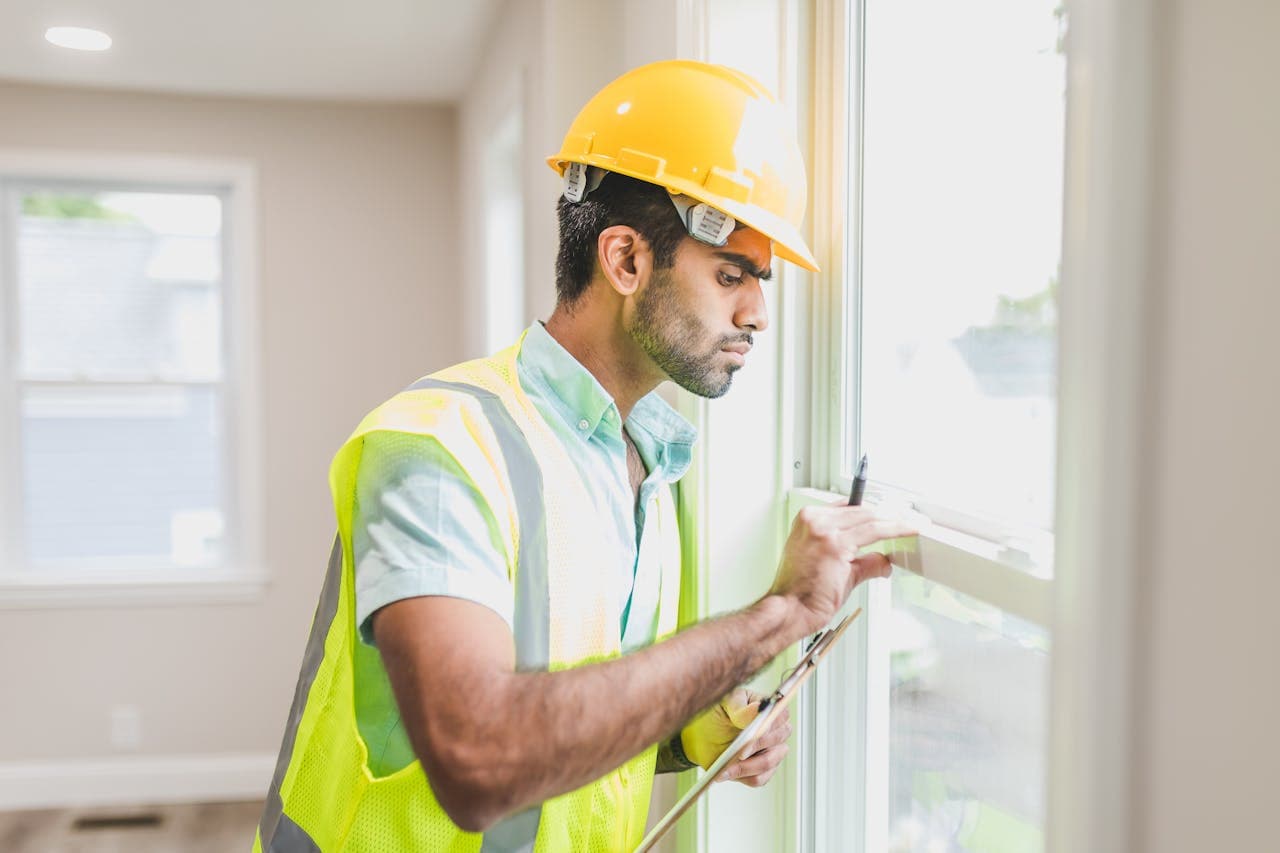
A professional home inspection is a visual examination of a property's major systems and structural components. Conducted by a licensed inspector who follows standards set by organizations like the American Society of Home Inspectors (ASHI), the inspection typically takes three to four hours and covers the foundation, roof, electrical, plumbing, HVAC, and interior and exterior conditions.
The resulting report can easily run 30 to 50 pages. It will list every deficiency the inspector observed, from a missing outlet cover to a cracked foundation wall. The sheer volume of findings intimidates many buyers, but context matters far more than count. A report listing 40 items might describe a perfectly solid home with normal wear, while a report with just five items could flag deal-breaking structural failures.
The most common problems inspectors find relate to the roof (appearing in roughly 20% of reports), electrical systems (about 18%), and windows (about 18%). But frequency does not equal severity. A missing shingle is a roof issue that costs $200 to fix. A sagging roofline is a roof issue that could mean $15,000 or more in structural repairs. Learning to read your inspection report through the lens of severity, not just category, is the skill that separates informed buyers from anxious ones.
Your inspector's job is to report what they observe. It is your job, ideally with guidance from an experienced buyer's agent, to decide which findings are worth acting on. That decision-making process starts with understanding the three tiers of inspection findings.
Navigate Inspection Findings with an Expert in Your Corner
A top-performing buyer's agent knows which red flags demand action and which are routine. Get matched with a vetted agent who has a track record of protecting buyers through the inspection process.
Find a Top-Performing Buyer's AgentThe Three-Tier System: Critical, Significant, and Minor
Not every inspection finding carries the same weight. Professional inspectors and experienced agents generally categorize findings into three tiers based on safety risk, structural impact, and repair cost. This framework helps you allocate your attention and negotiating leverage where it matters most.
Critical findings are potential deal-breakers. They involve the home's structural skeleton, primary safety systems, or conditions that will worsen rapidly and expensively if left unaddressed. These are the items where walking away from the deal is a legitimate option.
Significant findings are serious but solvable. They represent real costs and real inconvenience, but with proper repairs, they will not compromise the home's long-term viability. These items form the core of most inspection negotiations.
Minor findings are the normal wear and tear of a lived-in home. Every home has them, and spending negotiating capital on these items can actually backfire by making you appear unreasonable to the seller. In competitive markets especially, experienced agents recommend reserving your requests for items that truly matter.
Critical Red Flags: When to Walk Away or Negotiate Hard
Critical red flags threaten the home's structural integrity, your safety, or both. These are the findings that can turn a dream home into a financial burden. If your inspection report flags any of the following, take them seriously and consult specialists before proceeding.
Foundation and Structural Damage
The foundation is the backbone of the entire structure. When it fails, everything else follows: walls crack, doors jam, floors slope, and the damage compounds over time. Foundation repair is consistently ranked among the most expensive home repairs a homeowner can face.
Warning Signs
- Horizontal cracks in basement or crawlspace walls
- Stair-step cracking in brick or block foundations
- Cracks wider than 1/4 inch that appear to be growing
- Doors and windows that no longer open or close properly
- Visibly sloping or uneven floors
- Bowing or bulging foundation walls
Typical Repair Costs
- Minor crack sealing: $300 to $800
- Moderate repair with piers: $2,200 to $8,100
- Major structural stabilization: $10,000 to $30,000+
- National average: approximately $5,100
- Full house leveling: $12,000+
- Specialist inspection alone: $300 to $600
Pro Tip: Hairline Cracks vs. Structural Cracks
Not every crack is cause for alarm. Hairline settling cracks (less than 1/4 inch wide) that are not growing are typically cosmetic. Horizontal cracks, stair-step patterns, or any crack wider than 1/4 inch signal structural movement that requires professional evaluation. When in doubt, ask the seller to pay for a structural engineer's assessment before you commit.
Major Roof Failures
The roof is the home's first line of defense against the elements. A failing roof does not just leak; it can lead to mold, rotted framing, damaged insulation, and ruined drywall. The typical asphalt shingle roof lasts 15 to 30 years, so the roof's age relative to its expected lifespan is a key data point.
Inspectors look for curling, cracked, or missing shingles, as well as sagging areas, rotten fascia, and interior water stains that suggest active leaks. Minor repairs (patching a few shingles) cost $400 to $1,200. But a full roof replacement on a typical home averages $7,000 to $14,500, with complex or premium-material roofs exceeding $25,000. If the inspector identifies structural sagging, that compounds the problem because it suggests the framing beneath the shingles has been compromised by long-term moisture damage.
Electrical System Hazards
Faulty wiring is not just an inconvenience; it is a fire risk. Electrical deficiencies appear in 60% to 70% of home inspections, making them the single most common category of finding. Most are minor (a missing GFCI outlet near a sink, for example), but some are genuinely dangerous.
Watch for these high-risk electrical findings: Federal Pacific or Zinsco breaker panels (known for failing to trip during overloads), aluminum branch wiring in homes built during the 1960s and 1970s, knob-and-tube wiring in pre-1950 homes, double-tapped breakers, and evidence of unlicensed DIY work. Rewiring a home runs $3,000 to $11,000 depending on size and complexity. An electrical panel upgrade alone costs $1,100 to $3,000.
Active Sewage and Drain Line Failures
If drains are slow throughout the house, or if the inspector notes sewage odors, the main sewer line connecting the home to the municipal system may be damaged or clogged by tree roots. A sewer line camera scope (typically $250 to $500) can confirm the issue. Replacement costs range from $5,000 to $25,000 depending on depth, length, and local conditions. This is an area where many buyers fail to investigate during the inspection period, only to face a five-figure repair bill within months of closing.
Critical Repair Cost Comparison
Significant Issues: Worth Negotiating, Not Worth Walking Away
Significant findings sit in the middle ground. They represent real money, often $1,000 to $10,000 in repairs, and they should absolutely factor into your offer price or repair negotiations. But they are not the kind of problems that render a home uninhabitable or unsafe. A top-performing agent will know how to use these findings as negotiating leverage without torpedoing the deal.
Plumbing Problems
Plumbing issues range from dripping faucets (a $175 fix) to corroded galvanized pipes that need full replacement (up to $15,000 for a whole-house repipe). The key distinction is whether the problem is localized or systemic. A single leaky toilet is a minor repair. Corroding pipes throughout the home, polybutylene piping (common in homes built between 1978 and 1995, and prone to failure), or evidence of ongoing leaks behind walls are significant concerns that affect the home's value and insurability.
Water heater age is another common finding. A standard tank water heater lasts 8 to 12 years. If the unit is near or past its expected lifespan, budget $1,300 to $2,500 for replacement. This is a predictable expense, not a red flag, but it is a legitimate negotiation point.
HVAC System Concerns
Heating, ventilation, and air conditioning systems represent a major household investment. A full HVAC replacement costs $5,000 to $8,300 on average, though the range extends higher depending on system type and home size. Inspectors assess the age of the system (most last 15 to 20 years), its current performance, the condition of ductwork, and whether maintenance has been regular.
Dirty filters, unusual noises, inconsistent temperatures between rooms, and high utility bills (request the seller's last 12 months of energy bills) all suggest deferred maintenance or an aging system approaching failure. If the system is functional but old, you have a negotiation opportunity. If it is already failing, you have stronger grounds for a price reduction or repair credit.
Water Damage and Mold
Water damage is a home's worst enemy. It leads to structural deterioration, mold growth, pest attraction, and declining indoor air quality. Signs include stains on ceilings and walls, musty odors, warped flooring, peeling paint, and soft or spongy drywall. The average cost to repair and clean up water damage runs approximately $3,500, but extensive mold remediation can reach $4,500 to $30,000 depending on the scope of contamination.
The critical question with water damage is whether the source has been identified and stopped. Mold in a bathroom with a leaky shower is a different situation than mold in the basement from a persistent groundwater intrusion. Always ask: what is causing the moisture? If the underlying cause is fixable, the mold remediation becomes a straightforward (if expensive) project. If the source is unidentifiable or unfixable, that elevates the issue from significant to potentially critical.
Pest and Termite Damage
Termites, carpenter ants, and wood-boring beetles can silently destroy a home's structural framing. The U.S. Environmental Protection Agency notes that termites cause billions of dollars in structural damage annually in the United States. Inspectors look for mud tubes along the foundation, hollow-sounding wood, frass (termite droppings), and visible damage to structural members.
Treatment costs depend heavily on the extent of infestation. A localized treatment might run $500 to $2,500, but if structural members have been compromised, the repair cost escalates into the $5,000 to $15,000 range. Many lenders require a clear termite inspection (also called a Wood Destroying Organism report) before approving a mortgage, so this finding can also affect your financing.
How Much Should You Negotiate After the Inspection?
The average buyer negotiates $7,200 in seller concessions after the home inspection. A top-performing agent with strong negotiation skills can help you get the repair credits you deserve without losing the deal.
Find Agents Ranked by Negotiation PerformanceMinor Issues: What You Can Safely Ignore
Minor findings fill the bulk of most inspection reports. They are the cosmetic blemishes and normal aging that come with any lived-in property. Understanding that these items are routine will save you significant stress during the due diligence period.
Normal Wear and Tear
Scuffed paint, worn carpet, dated light fixtures, minor drywall dings, loose cabinet hardware, and weathered caulking around tubs and windows are all par for the course. These items typically cost under $500 total to address and are the kind of updates most homeowners plan to make after moving in. Requesting the seller to repaint rooms or replace fixtures is generally considered unreasonable and signals to the seller that you may be difficult to work with.
Cosmetic Cracks
Thin, vertical hairline cracks in drywall, especially above door frames and window corners, result from normal settling that virtually every home experiences. Stucco homes frequently show small surface cracks that are cosmetic only. These cracks are different from the structural warning signs described in the critical tier: they are surface-level, typically less than 1/8 inch wide, and do not extend through the underlying structure.
Minor Grading and Drainage
An inspector may note that the grade around the foundation slopes slightly toward the house in one area, or that a downspout extension is missing. These are maintenance items, not structural problems. Regrading a small section of yard costs $500 to $1,000, and adding downspout extensions is a $50 weekend project. While proper drainage is important for long-term foundation health, a minor grading note does not indicate imminent damage.
Aging but Functional Systems
An older furnace that is still running properly, an original water heater that has a few years left, or an aging dishwasher that still works are not red flags. They are items to monitor and budget for over the coming years. Your inspector may note their age and recommend future replacement, which is good information for your homeownership planning, but these notes should not trigger alarm or negotiation demands.
The "10% Rule" for Walk-Away Decisions
Some experienced inspectors and agents recommend a simple guideline: if the total estimated cost of critical repairs exceeds 10% of the home's purchase price, walking away is a reasonable consideration. A $350,000 home needing $40,000 in foundation and roof work, for example, is a significantly different value proposition than what you offered. At minimum, the offer price needs to reflect the true cost of making the home safe and livable.
How to Use Inspection Findings in Negotiations
An inspection report is not just an informational document; it is a negotiating tool. Research from the National Association of REALTORS indicates that home inspection issues are the leading reason real estate contracts are terminated. But termination is the worst outcome for both parties. A skilled negotiation turns inspection findings into a fair adjustment that keeps the deal alive.
Prioritize Your Requests
The most effective approach is to focus negotiation requests on critical and significant items only. Sellers expect to negotiate on safety hazards, structural deficiencies, building code violations, and major system failures. They do not expect to pay for cosmetic updates or normal maintenance, and including those items on your repair list can make the seller dig in rather than cooperate.
Know Your Options
You typically have three paths after the inspection:
- Request specific repairs before closing, verified by a follow-up inspection. This works best for well-defined issues with clear fixes, like a panel upgrade or a roof repair.
- Request a price reduction based on estimated repair costs. This gives you control over the work and the contractors used. About 31% of buyers take this route.
- Request a closing credit (seller concession) earmarked for repairs. About 29% of buyers negotiate credits rather than price changes. Credits are often easier for sellers to accept because the headline purchase price remains intact.
In roughly 89% of transactions, sellers agree to some form of concession. The typical value of those concessions is $7,200. An experienced buyer's agent understands the local market dynamics, the seller's motivation level, and how to frame requests in a way that maximizes your outcome without killing the deal.
Leverage Your Inspection Contingency
If your purchase agreement includes a home inspection contingency (and it should in nearly all cases), you have the contractual right to cancel the deal and receive your earnest money deposit back if the inspection reveals deal-breaking problems. This contingency gives you meaningful leverage because the seller knows you can walk away without financial penalty. Use this position to negotiate firmly on critical items, even if you intend to close.
What Your Inspector Cannot Tell You (and What to Do About It)
A standard home inspection is a visual, non-invasive examination. Your inspector will not cut open walls, dig around the foundation, or disassemble systems. Several important concerns fall outside the scope of a general inspection, and informed buyers order additional specialized inspections when the situation warrants them.
Specialized Inspections to Consider
- Sewer line camera scope: $250 to $500. Recommended for any home over 25 years old or with mature trees near the sewer line.
- Radon testing: $150 to $250. The EPA recommends testing in all geographic zones. Radon mitigation, if needed, costs $800 to $1,500.
- Mold testing: $300 to $600. Worthwhile if the inspector notes signs of moisture intrusion or musty odors.
- Structural engineer evaluation: $300 to $800. Essential if foundation cracks or structural movement are noted.
- Termite/WDO inspection: $75 to $150. Required by many lenders, and a smart investment regardless.
- Asbestos testing: $250 to $750. Recommended for homes built before 1980 with suspected asbestos-containing materials.
- Lead paint inspection: $300 to $500. Required disclosure for homes built before 1978 under EPA regulations.
Unpermitted work is another area your general inspector may flag without being able to fully assess. Additions, converted garages, finished basements, and remodeled kitchens or bathrooms that were done without permits can create legal and insurance complications. If the inspector notes work that appears unpermitted, contact the local building department to check the property's permit history before closing. Unpermitted work may need to be brought up to code at your expense after purchase.
Protect Your Investment with a Data-Vetted Agent
EffectiveAgents matches buyers with top-performing Realtors based on actual performance data, not advertising spend. With 50,000+ vetted agents and $2.1B+ in documented client savings, you get an advocate who knows how to protect you through the inspection process and beyond.
Get Matched with a Top-Performing RealtorYour Complete Home Inspection Preparation Checklist
Whether you are buying your first home or your fifth, preparation helps you get the most value from the inspection process. Use this checklist to ensure you cover all the critical bases during the due diligence period.
Before the Inspection
- Hire an ASHI- or InterNACHI-certified inspector
- Ask if the inspector provides estimated repair costs
- Request a sewer scope if the home is 25+ years old
- Schedule radon testing alongside the general inspection
- Review the seller's disclosure for known issues
- Clear your schedule to attend the inspection in person
During and After
- Walk the property with your inspector and ask questions
- Photograph any concerns the inspector identifies
- Categorize findings into critical, significant, and minor
- Get repair estimates for critical and significant items
- Discuss negotiation strategy with your buyer's agent
- Order specialized inspections for any flagged concerns
Attending the inspection in person is one of the most valuable things you can do as a buyer. The written report captures the findings, but watching the inspector work and hearing their real-time observations gives you context that the report alone cannot convey. When an inspector says "this crack is cosmetic and I see it in most homes this age," that verbal context shapes your response far differently than reading "crack observed in foundation wall" on a printed report.
Frequently Asked Questions
How much does a home inspection cost, and who pays for it?
The national average cost for a general home inspection is $377, with most inspections falling between $200 and $500 depending on the home's size, age, and location. The buyer typically pays for the home inspection, as it is conducted for the buyer's benefit during the due diligence period. Some buyers negotiate for the seller to cover inspection costs, but this is uncommon in most markets.
Can I walk away from a home purchase after a bad inspection?
Yes, if your purchase agreement includes a home inspection contingency, you can cancel the sale without penalty and receive your earnest money deposit back. The inspection contingency gives you a specified window (typically 7 to 14 days) to conduct inspections and decide whether to proceed. Without this contingency, you may lose your earnest money if you back out, so always ensure your offer includes this protection.
What are the most common issues found during home inspections?
The most frequently flagged issues are minor electrical problems (found in 60% to 70% of inspections), followed by roof concerns (approximately 20%), window issues (about 18%), and plumbing deficiencies. Most of these findings are minor and involve deferred maintenance rather than serious defects. Only a small percentage of inspections uncover truly critical problems that warrant walking away from the purchase.
Should I get a home inspection on new construction?
Absolutely. New construction homes can have defects and construction errors that are not immediately visible. Common issues include improperly installed flashing, missed insulation sections, HVAC calibration problems, and grading issues. A pre-closing inspection on new construction is especially valuable because the builder is typically obligated to correct deficiencies under the construction warranty, giving you strong leverage to get problems fixed before you take ownership.
What is the difference between a home inspection and an appraisal?
A home inspection evaluates the physical condition of the property, identifying defects, safety concerns, and maintenance needs. An appraisal determines the home's market value for lending purposes. The inspection is ordered by the buyer and serves the buyer's interests. The appraisal is ordered by the lender and protects the lender's investment. Both are important, but they serve fundamentally different purposes and are conducted by different professionals with different qualifications.
How long does a home inspection take?
A thorough home inspection typically takes three to four hours for an average-sized single-family home. Larger homes, older properties, or homes with extensive issues may take longer. The inspector should never rush through the process. After the on-site inspection, the written report is usually delivered within 24 to 48 hours. Plan to spend the full inspection duration on-site so you can observe findings firsthand and ask questions in real time.
What fixes are mandatory after a home inspection?
Legally, no repairs are mandatory after a home inspection unless your purchase contract requires them. However, mortgage lenders and insurance companies may refuse to finance or insure properties with certain safety hazards, effectively making those repairs mandatory for the sale to proceed. Common lender-required fixes include non-functional HVAC systems, significant roof damage, active water intrusion, electrical safety hazards, and structural concerns. Your real estate agent can help you distinguish between negotiable repairs and lender-required fixes.