


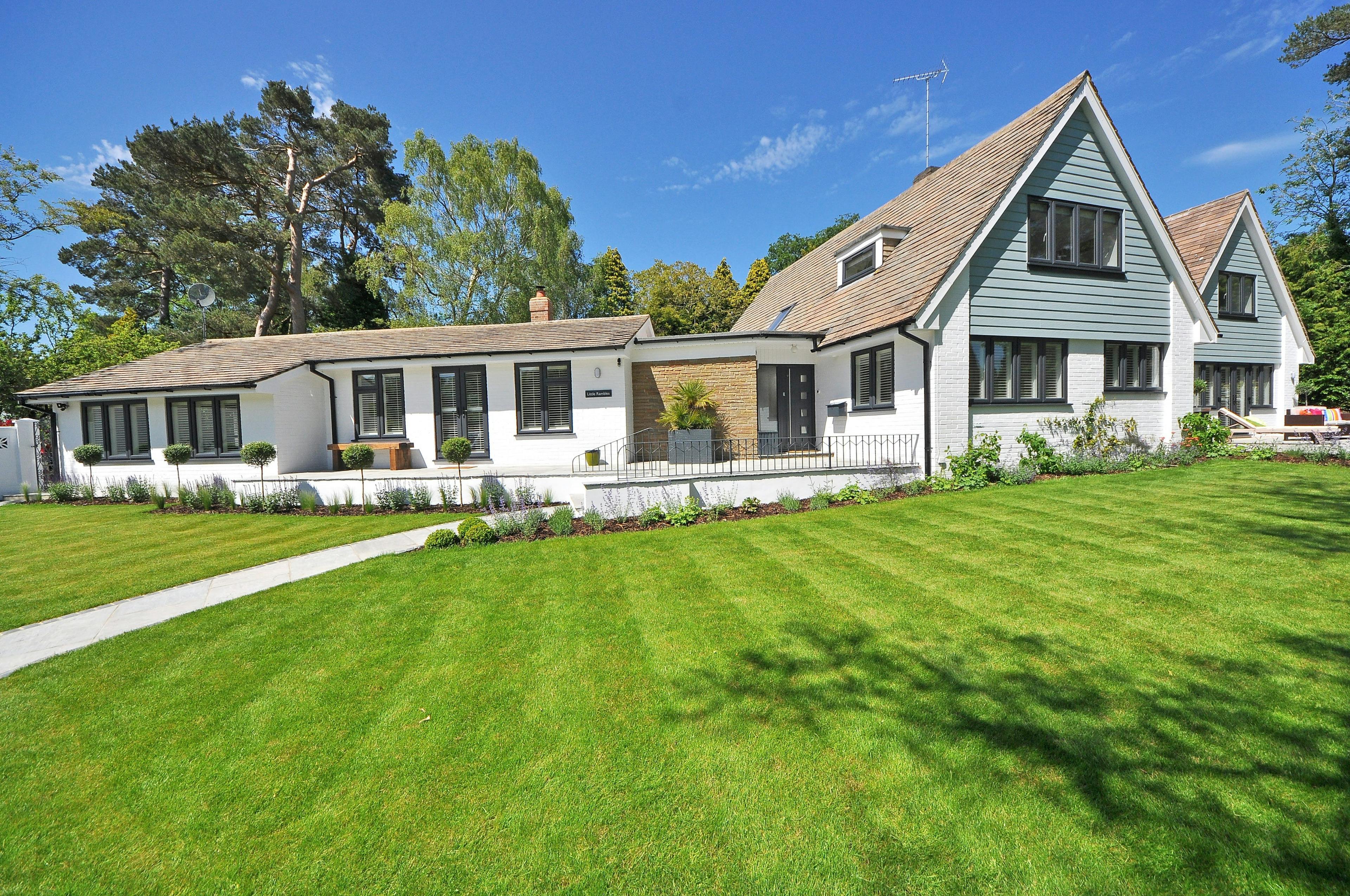
Your home has been on the market for weeks, maybe months, and the phone is not ringing. Showings have slowed to a trickle, and the offers you expected have not materialized. If you are asking yourself, "Why is my house not selling?" you are not alone. Thousands of homeowners face this frustrating situation every year, but the good news is that most selling obstacles have practical solutions.
According to the National Association of REALTORS, homes currently spend an average of 28 to 36 days on the market before going under contract. If your property has exceeded that window significantly, it is time to diagnose the problem and take action. This guide will walk you through the most common reasons homes stall on the market and provide actionable strategies to get your sale back on track.
Is Your Current Agent Getting Results?
Top-performing agents sell homes faster and for more money. Get matched with a proven local expert who can evaluate your listing and develop a winning strategy.
Find a Top-Performing AgentWarning Signs Your Listing Is Struggling
Before diving into solutions, it is important to recognize the telltale signs that your home sale is in trouble. Understanding where you stand helps you take the right corrective action at the right time.
Key Indicators Your Listing Needs Attention
Pay attention to these warning signs that suggest your home may be struggling to connect with buyers:
The Number One Reason: Your Price Is Too High
Pricing consistently ranks as the primary reason homes fail to sell. According to NAR research, overpriced homes are the number one deal-breaker for buyers. Your home generates the most interest in its first two weeks on the market, and an inflated price during that critical window can permanently damage your listing's appeal.
Source: Industry market analysis data
How to Know If You Are Overpriced
Several indicators suggest your asking price may be out of alignment with market realities:
Signs of Overpricing
Your home is priced higher than recently sold comparables with similar or better features. Buyers at showings express disappointment relative to the price. Online views are high but showing requests are low. Your listing has been on market longer than neighborhood averages.
Signs of Proper Pricing
Multiple showings in the first week of listing. Positive feedback from buyers' agents. Offers or serious interest within 14 to 21 days. Price aligns with recent comparable sales after proper adjustments.
Strategic Price Reduction Guidelines
If your home needs a price adjustment, make it count. Small, incremental reductions signal desperation and rarely generate renewed interest.
Price Reduction Best Practices
Lots of showings, no offers: A 1% to 2% reduction may attract committed buyers who were on the fence.
Few showings: A 2% to 3% reduction is typically necessary to generate fresh interest and appear in new search filters.
Consider price brackets: Buyers search in increments of $25,000 to $50,000. Dropping from $425,000 to $399,000 places your home in front of an entirely new buyer pool.
Presentation Problems That Kill Sales
Even a perfectly priced home will struggle if it fails to make a strong first impression. Presentation encompasses everything from your listing photos to the physical condition of your property.
The Photography Factor
With over 95% of buyers starting their home search online, your listing photos are your most important marketing asset. Poor quality images can cause buyers to skip your listing entirely.
Research consistently shows that listings with professional photography sell faster and for higher prices. Yet surprisingly, only about 35% of agents utilize professional photographers, and only 15% prioritize high-quality imagery. If your current listing features dark, blurry, or poorly composed photos, replacing them with professional images should be your first step.
Staging: The ROI Champions
According to NAR's Profile of Home Staging, staged homes consistently outperform unstaged properties. The data makes a compelling case for this investment:
Living Room
91% of agents stage this space first
Primary Bedroom
83% of staged homes include this room
Dining Room
69% staging rate for this space
Kitchen
68% of staged homes feature this area
NAR reports that 29% of sellers' agents saw a 1% to 10% increase in dollar value offered when homes were staged. Additionally, 49% observed that staging reduced time on market. At a median staging cost of $1,500, the return on investment can be substantial for most home sellers.
Curb Appeal: The 7-Second Test
Buyers form impressions within seconds of pulling up to your home. An overgrown lawn, peeling paint, or cluttered entryway can cause drive-by dismissals before buyers ever step inside. According to NAR, 92% of REALTORS recommend improving curb appeal before listing.
Property Condition Issues Buyers Cannot Overlook
Unless marketed as a fixer-upper, most buyers expect homes to be move-in ready. Deferred maintenance and visible repairs signal hidden problems and give buyers reasons to walk away or submit lowball offers.
Critical Repairs That Cannot Wait
Some issues are deal-breakers that must be addressed before your home can compete effectively:
High-Priority Repairs
Roof condition: Visible damage or a roof nearing end of life raises immediate red flags for buyers and their inspectors.
Water damage: Stains, musty odors, or evidence of past flooding suggest ongoing problems that scare off buyers.
HVAC systems: Non-functional or severely outdated heating and cooling systems are expensive concerns.
Foundation issues: Cracks, uneven floors, or drainage problems require professional assessment and disclosure.
Quick Wins That Pay Off
Not all repairs require major investment. Small updates can significantly improve buyer perception:
Cost-Effective Improvements
Replace dated light fixtures and cabinet hardware for a modern feel. Touch up scuffed paint and patch holes in walls. Fix leaky faucets, running toilets, and sticky doors. Deep clean carpets, windows, and grout lines. Update outdated outlets and switch plates.
Need Expert Advice on What to Fix?
A top-performing agent can identify exactly which improvements will generate the best return on your investment and which you can skip.
Connect With a Local ExpertMarketing Failures That Limit Your Exposure
A great home at the right price still needs effective marketing to reach qualified buyers. If your listing is not getting in front of the right audience, sales will suffer.
The Listing Description Problem
Generic listing descriptions fail to capture buyer attention. A description that simply lists bedrooms, bathrooms, and square footage misses the opportunity to sell the lifestyle your home offers.
Weak Listing Description
"3 bedroom, 2 bath home with garage. Updated kitchen. Nice backyard. Close to schools."
Compelling Listing Description
"Sun-drenched entertaining spaces flow seamlessly to a private backyard retreat. The chef's kitchen features quartz counters and stainless appliances. Minutes from top-rated schools and vibrant downtown dining."
Online Visibility Checklist
Your listing should appear prominently across all major platforms where buyers search. Verify your home's presence on:
When Your Agent Is the Problem
Sometimes the issue is not your home but rather your representation. Not all real estate agents deliver the same results, and working with an underperforming agent can cost you time and money.
Signs Your Agent May Not Be the Right Fit
Consider whether your current agent is truly serving your interests:
Your agent is difficult to reach, fails to return calls promptly, or does not provide regular updates on showing activity and market feedback.
Beyond putting your home on the MLS, little active promotion occurs. No social media presence, open houses, or proactive outreach to buyer agents.
Despite extended market time, your agent has not suggested pricing changes, presentation improvements, or marketing pivots.
Your agent lacks deep knowledge of your specific neighborhood, recent comparable sales, or buyer preferences in your market.
The Performance Difference
Research consistently shows that top-performing agents deliver measurably better results. Agents in the top tier of their market typically sell homes faster and closer to asking price than average performers. They achieve these results through superior pricing strategy, better marketing resources, stronger negotiation skills, and deeper buyer networks.
If your home has been languishing on the market, it may be time for a fresh perspective. A top-performing agent can provide an honest assessment of why your home has not sold and develop a new strategy to get it done.
Market Conditions Beyond Your Control
External factors can also impact your home's salability. Understanding current market dynamics helps set realistic expectations and adjust strategy accordingly.
Current Market Snapshot
As of recent data, the housing market presents both challenges and opportunities:
While inventory has increased from the extreme lows of recent years, the market remains competitive for well-priced, well-presented homes. Properties that languish typically have specific, addressable issues rather than being victims of poor market conditions.
Seasonal Considerations
Real estate activity follows seasonal patterns that affect buyer activity. Spring and early summer typically see the highest buyer demand, while late fall and winter tend to be slower. However, listings during slower seasons face less competition, and buyers shopping during these periods are often more motivated.
If you listed during a slower period and your home has not sold, the arrival of spring buying season may naturally increase interest. Use the interim period to address any presentation or pricing issues so your home is optimally positioned when buyer activity picks up.
Your Action Plan to Get Sold
Now that you understand why homes fail to sell, it is time to take action. Follow this systematic approach to diagnose and resolve your listing's challenges.
Week 1: Assessment and Diagnosis
Immediate Action Steps
Request comprehensive feedback: Ask your agent to compile all showing feedback and identify recurring themes.
Analyze competitive listings: Review comparable active and sold listings to understand how your home compares.
Audit your online presence: Check how your listing appears across major platforms and evaluate photo quality.
Assess agent performance: Honestly evaluate whether your agent is providing the service level your home deserves.
Week 2 to 3: Implementation
Based on your assessment, implement the necessary changes:
If Changes Are Not Working: Consider a Fresh Start
Sometimes a listing becomes stale in buyers' minds. If your home has been on the market for an extended period with multiple price reductions, it may be worth considering a more dramatic reset:
Reset Options
Temporary withdrawal: Taking your home off market for a period allows you to make improvements and relist with fresh energy.
Agent change: A new agent brings fresh perspective, different marketing approaches, and a new buyer network.
Strategic timing: Relisting at the start of a new season can generate renewed buyer interest.
Ready for a Fresh Approach?
EffectiveAgents connects you with top-performing local agents who have proven track records of selling homes like yours. Get matched with an expert who can provide an honest assessment and winning strategy.
Find Your Top Agent TodayFrequently Asked Questions
If your home has been on the market for three to four weeks with minimal showing activity, it is time to seriously consider a price adjustment. The first two to three weeks are critical, and homes that do not generate interest during this window are typically overpriced. Do not wait too long, as extended days on market create a stigma that makes selling even harder. Work with your agent to analyze feedback and comparable sales data to determine the right adjustment.
Yes, professional staging can benefit furnished homes significantly. Stagers help depersonalize spaces, optimize furniture placement, and create the neutral, aspirational environment that appeals to the broadest range of buyers. Even partial staging of key rooms like the living room, primary bedroom, and kitchen can deliver strong returns. NAR data shows staged homes consistently sell faster and often for higher prices than unstaged properties.
In most cases, yes, though the process depends on your listing agreement terms. Many listing agreements include provisions for cancellation with notice. Review your contract carefully and discuss your concerns with your agent first. If performance issues persist, you can negotiate an early termination. Working with a top-performing agent who has a proven track record in your market can make a significant difference in your selling experience and results.
It depends on the nature of the repairs. For cosmetic issues and minor fixes, completing repairs before listing typically generates better results because buyers can see a move-in ready home. For major systems like roofs or HVAC, offering a credit or home warranty may be more practical. However, visible issues that suggest deferred maintenance can scare buyers away before they even make an offer. Consult with an experienced agent to determine the best approach for your specific situation.
Professional photos are critically important in today's market. Research shows that homes with professional photography sell 32% faster and receive 118% more online views. Professional images can lead to final sale prices that are significantly higher than comparable properties with amateur photos. With the vast majority of buyers starting their search online, your listing photos are often the deciding factor in whether buyers schedule a showing or scroll past your home.
Unique homes require patience and targeted marketing. Work with an agent who understands how to position unusual properties and can identify the right buyer pool. Expand marketing beyond traditional channels to reach buyers who specifically seek distinctive features. Consider what attracted you to these features and ensure marketing materials highlight those benefits. Price adjustments may also be necessary to account for a smaller buyer pool, but the right buyer will pay appropriately for a property that meets their unique needs.
Moving Forward With Confidence
A home that is not selling is not a hopeless situation. In nearly every case, specific, identifiable issues are preventing the sale, and those issues can be addressed. The key is honest assessment, strategic action, and working with the right professionals who can guide you to success.
Start by evaluating your pricing against current market data. Ensure your home's presentation, both online and in person, creates the best possible first impression. Address condition issues that give buyers reasons to hesitate. And critically, confirm that your agent is actively working to sell your home with the expertise and effort you deserve.
If you have been struggling with a home that will not sell, consider getting a fresh perspective from a top-performing local agent. The right agent can diagnose exactly why your home has stalled and implement the strategies needed to get it sold quickly and at the best possible price.