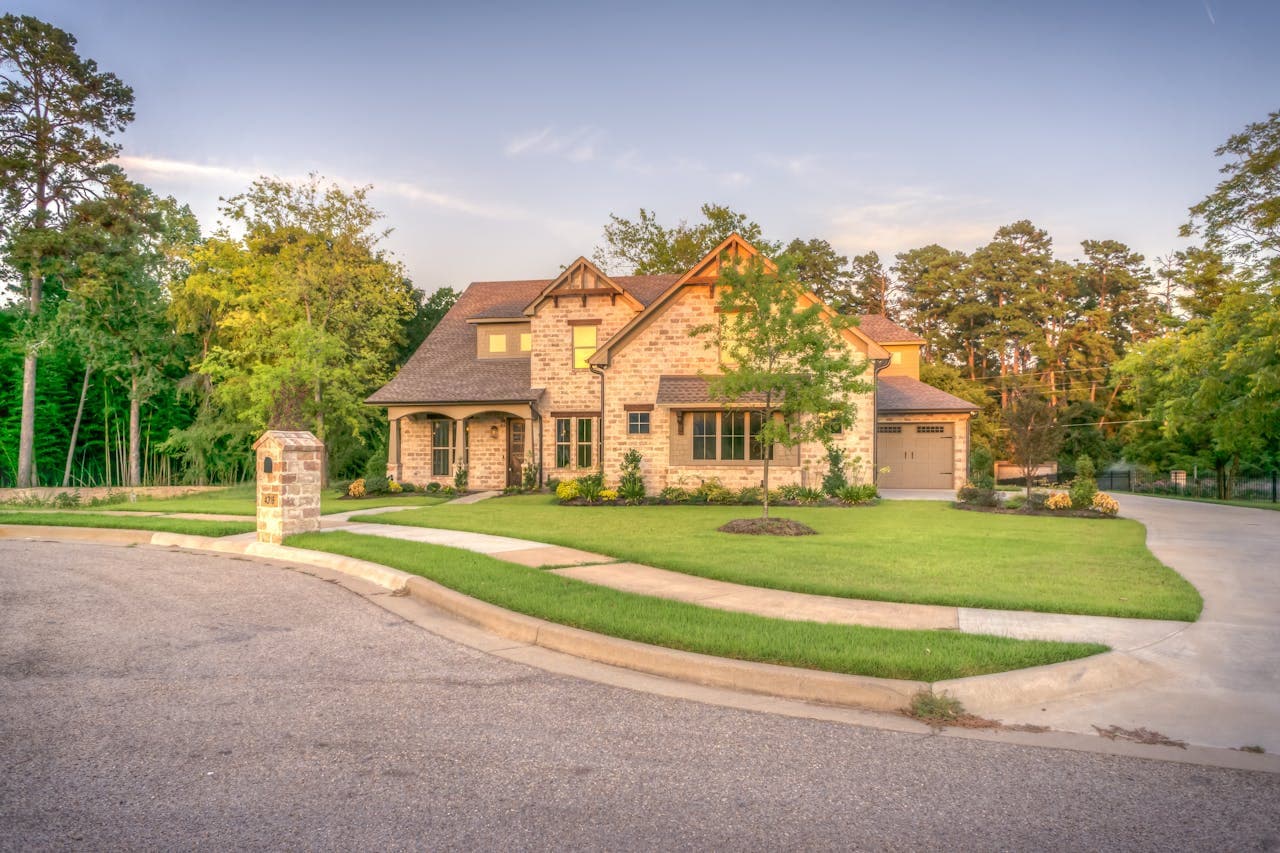


Understanding your home's value is one of the most important steps in any real estate decision. Whether you're preparing to sell, refinancing your mortgage, or simply curious about your largest asset, knowing what your property is worth empowers you to make informed financial choices.
Estimate Your Home's Value Range
Enter your home's details to see how various factors might affect its value. This educational tool helps you understand value drivers, but for an accurate valuation, consult with a local real estate professional.
Value Factor Breakdown
Understanding Home Value: What It Really Means
Home value is not a single fixed number. Rather, it represents what a willing buyer would pay a willing seller in an open market transaction. This concept, known as fair market value, fluctuates based on numerous factors including local market conditions, your home's unique characteristics, and broader economic trends.
According to the National Association of Realtors, the median existing home price reached $415,200 in late 2025, representing a 2.1% year-over-year increase. However, your specific home could be worth significantly more or less than this national figure depending on where you live and the characteristics of your property.
Fair Market Value vs. Appraised Value
While these terms are often used interchangeably, they represent distinct concepts. Fair market value reflects what buyers are actually willing to pay, determined by supply and demand in your local market. Appraised value, on the other hand, is a professional assessment conducted by a licensed appraiser using standardized methodology. Lenders require appraisals to ensure the property adequately secures the mortgage loan.
Key Insight
Homes sold with the assistance of a real estate agent achieved a median price of $425,000, compared to just $360,000 for homes sold by owner. This $65,000 difference demonstrates the value of professional pricing expertise and marketing exposure.
Get a Professional Home Valuation
Online estimates are a starting point. Connect with a top-performing agent for a comprehensive market analysis based on real comparable sales in your neighborhood.
Find a Top Agent Near YouThe Seven Factors That Determine Your Home's Value
Professional appraisers and real estate agents evaluate numerous elements when determining a home's worth. Understanding these factors helps you assess your own property more accurately and identify opportunities to increase its value.
Impact of Value Factors on Home Price
1. Location and Neighborhood Quality
The age-old real estate maxim holds true: location remains the single most influential factor in determining home value. A property's worth is heavily influenced by its proximity to quality schools, employment centers, shopping, restaurants, parks, and public transportation. Homes in desirable neighborhoods with low crime rates and well-maintained properties consistently command premium prices.
Even within the same neighborhood, micro-location matters. A home on a quiet cul-de-sac typically appraises higher than an identical property on a busy through street. Corner lots, proximity to power lines, and backing up to commercial properties can all negatively impact value.
2. Square Footage and Usable Living Space
Size directly correlates with value, though appraisers focus specifically on the Gross Living Area (GLA), which includes only finished, heated spaces above grade. This means your finished basement, while valuable, contributes less per square foot than above-ground living areas.
The relationship between size and value is not linear. There is a ceiling effect where adding square footage beyond neighborhood norms yields diminishing returns. A 4,000 square foot home in a neighborhood of 2,000 square foot houses may struggle to achieve its full potential value because there are no comparable sales to support the price.
3. Property Condition and Recent Updates
The overall condition of your home significantly impacts its appraised value. Homes in excellent condition with modern updates command premiums over those requiring significant repairs. Key systems that appraisers evaluate include roofing, HVAC, electrical, plumbing, and foundation integrity.
Strategic renovations can boost value, though not all improvements offer equal returns. Kitchen and bathroom updates typically provide the strongest return on investment, while over-improvements relative to the neighborhood can result in diminished returns. Learn more about how appraisers evaluate your property.
4. Bedroom and Bathroom Count
The number of bedrooms and bathrooms directly affects both buyer demand and appraised value. Three-bedroom, two-bathroom homes hit the sweet spot for most buyers, while four bedrooms or a third bathroom can command premiums in family-oriented markets. One-bedroom homes typically sell for significantly less because they exclude families from the buyer pool.
5. Lot Size and Outdoor Features
Larger lots generally add value, particularly in suburban and rural markets where outdoor space is highly prized. Usable outdoor features like decks, patios, pools, and landscaped gardens contribute positively, though pools can be neutral or negative in some markets due to maintenance concerns and liability issues.
6. Age and Architectural Style
Newer homes typically appraise higher due to modern building codes, energy efficiency, and reduced repair risk. However, well-maintained older homes with desirable architectural character can command premiums in markets where historic charm is valued. The key is whether the home has been properly maintained and updated over time.
7. Special Features and Amenities
Features like attached garages, central air conditioning, hardwood floors, energy-efficient windows, and smart home technology can enhance value. However, highly personalized improvements may not translate to broad market appeal. The rule of thumb is that features popular with most buyers add the most value.
Professional Valuation Methods Explained
Real estate professionals use several established approaches to determine property value. Understanding these methods helps you interpret valuations and recognize the strengths and limitations of different approaches.
| Method | How It Works | Best Used For | Accuracy |
|---|---|---|---|
| Sales Comparison Approach | Compares your home to recently sold similar properties, adjusting for differences in features, condition, and size | Most residential properties; standard for home sales | High when good comparables exist |
| Professional Appraisal | Licensed appraiser inspects property and applies formal valuation methodology per industry standards | Mortgage lending, estate settlements, legal proceedings | Very high; legally defensible |
| Comparative Market Analysis (CMA) | Real estate agent analyzes recent sales, active listings, and market conditions for pricing guidance | Listing price recommendations, buyer offer strategy | High with experienced local agent |
| Automated Valuation Models (AVMs) | Algorithm-based estimates using public records, tax data, and sales history | Quick estimates, preliminary research | Moderate; varies by data quality |
| Cost Approach | Calculates land value plus cost to rebuild the structure minus depreciation | New construction, unique properties, insurance | Variable; depends on construction costs |
The Power of Comparable Sales
The sales comparison approach forms the foundation of most residential valuations. Appraisers typically seek properties that sold within the past six months, are located within one mile of the subject property, and share similar characteristics including size, age, bedroom and bathroom count, and overall condition.
When perfect comparables do not exist, appraisers make adjustments. For example, if your home has a three-car garage while a comparable has only two cars, the appraiser might add $3,000 to $5,000 to account for this difference. These adjustments require professional judgment and local market knowledge.
Why Online Estimates Fall Short
Automated valuation models rely on public records and cannot account for interior condition, recent renovations, unique features, or neighborhood nuances. Studies show AVM accuracy varies significantly by location, with median error rates ranging from 2% in data-rich markets to over 7% in areas with limited sales activity.
Strategies to Increase Your Home's Value
Whether you are planning to sell soon or simply want to build equity, strategic improvements can enhance your property's worth. The key is focusing on updates that appeal broadly to buyers and align with neighborhood standards.
High ROI Updates
- Minor kitchen remodels
- Bathroom refreshes
- Fresh interior paint
- Curb appeal landscaping
- New garage door
- Entry door replacement
Moderate ROI Updates
- New roofing
- HVAC replacement
- Window upgrades
- Deck addition
- Flooring updates
- Smart home features
Lower ROI Updates
- Major kitchen overhauls
- Luxury bathroom suites
- Swimming pools
- Home office additions
- Specialty rooms
- High-end finishes
The most valuable improvements address items that concern buyers during inspections or make strong visual impressions. A fresh coat of neutral paint, clean landscaping, and updated light fixtures create a well-maintained appearance that translates to higher perceived value. Learn more in our comprehensive guide on how to sell your house effectively.
Get the Accurate Valuation You Deserve
Skip the guesswork. EffectiveAgents connects you with top-performing agents who know your local market inside and out. Our agents have helped clients achieve $2.1 billion in savings through expert pricing and negotiation.
Find Your Top Local AgentOnline Home Value Estimators: What to Know
Services like Zillow's Zestimate and Redfin's estimate have made it easy for homeowners to get instant value estimates. While convenient, these automated tools have significant limitations you should understand.
How Online Estimators Work
Automated Valuation Models aggregate data from public records, tax assessments, prior sales, and user-submitted information. Machine learning algorithms analyze millions of data points to generate estimates. The accuracy depends heavily on data availability and quality in your specific market.
Limitations of AVMs
Online estimators cannot see inside your home. They have no way of knowing whether you renovated your kitchen last year, if your basement has water damage, or if your HVAC system is at the end of its life. This blind spot explains why estimates can be significantly off for properties that differ from neighborhood averages.
Data lag presents another challenge. Public records may not reflect recent renovations or sales, and in slower markets, the lack of recent comparable sales reduces accuracy. Rural properties and unique homes present particular challenges because the algorithms rely on pattern matching from similar properties.
When You Need a Professional Valuation
While online estimates serve as useful starting points, certain situations require professional valuations. A formal appraisal provides a legally defensible value determination, while a Comparative Market Analysis from an experienced agent offers strategic pricing guidance.
Situations Requiring Professional Valuation
Selling Your Home: Pricing correctly from the start is critical. Overpriced homes sit on the market and eventually sell for less than properly priced properties. A skilled agent's CMA ensures you capture maximum value without deterring buyers. See our guide on determining your home's true worth.
Refinancing: Lenders require appraisals for refinance loans. Understanding your home's approximate value beforehand helps you determine whether refinancing makes financial sense.
Estate Settlement: Inherited property requires professional valuation for tax purposes and equitable distribution among heirs. Appraisals establish the stepped-up basis for capital gains calculations.
Divorce Proceedings: Court-ordered property division requires defensible valuations. Professional appraisals provide the documentation needed for legal proceedings.
Property Tax Appeals: If you believe your assessment is too high, a professional appraisal can support your appeal to the tax assessor's office.
How Market Conditions Affect Your Home's Value
Beyond property-specific factors, broader market dynamics significantly influence what buyers will pay. Understanding current conditions helps you set realistic expectations and time major decisions appropriately.
Current Market Snapshot
According to the Federal Reserve, mortgage rates have fluctuated significantly in recent years, affecting buyer purchasing power and market activity. As rates moderate from recent highs, buyer activity typically increases, supporting home values in most markets.
Inventory levels remain a key factor. With current supply at roughly 4.4 months nationally, conditions favor sellers in most markets. The balanced market benchmark is typically six months of inventory, meaning current conditions continue to support price stability and modest appreciation.
Regional Variations Matter
National statistics mask significant regional differences. Some markets experience double-digit appreciation while others see flat or declining values. This is why local market expertise from an experienced agent is essential for accurate valuation and pricing strategy.
Frequently Asked Questions
Online home value estimates typically have median error rates between 2% and 7%, depending on the market and data availability. For a $400,000 home, this means the estimate could be off by $8,000 to $28,000 or more. These tools cannot account for interior condition, recent renovations, or unique features, which is why they should only serve as rough starting points rather than pricing guidance.
Appraised value is a professional estimate determined by a licensed appraiser using standardized methodology, primarily for mortgage lending purposes. Market value represents what buyers are actually willing to pay based on current supply and demand. These figures often differ because appraisals rely on past sales data while market value reflects current buyer behavior and competition.
For general awareness, reviewing your home's estimated value annually is sufficient. However, if you are considering selling, refinancing, or making major financial decisions, request a current Comparative Market Analysis from a local agent. Market conditions can shift quickly, and recent comparable sales provide the most accurate indication of current value.
Minor kitchen remodels, bathroom updates, fresh paint, curb appeal improvements, and garage door replacements consistently deliver the strongest returns. The key is matching improvements to neighborhood standards. Over-improving beyond what comparable homes offer typically results in diminishing returns because buyers compare your home to others in the area.
Yes, property taxes are based on assessed value, which local tax authorities determine using their own methodology. Assessed value often differs from market value and may lag behind actual market conditions. If you believe your assessment is too high, you can typically appeal to your local tax assessor with evidence such as a professional appraisal or comparable sales data.
A CMA is a detailed report prepared by a real estate agent that analyzes recently sold homes, active listings, and pending sales comparable to your property. Unlike automated estimates, a CMA incorporates professional judgment about condition, updates, and local market nuances. Agents typically provide CMAs free of charge as part of their services when you are considering selling.
The physical inspection typically takes one to two hours, depending on property size and complexity. Appraisers then complete their analysis and report, which usually takes three to seven business days. Total turnaround from scheduling to receiving the final report is typically one to two weeks, though this can vary based on appraiser availability and market activity.
Yes, you can request a Reconsideration of Value if you believe the appraisal contains errors or missed relevant comparable sales. Provide the lender with specific factual evidence, such as comparable sales the appraiser may have overlooked, documentation of recent improvements, or corrections to property details. The appraiser will review your evidence and may adjust the valuation if warranted.
Ready to Know Your Home's True Value?
Connect with a top-performing real estate agent in your area for a comprehensive, no-obligation market analysis. EffectiveAgents matches you with agents based on actual performance data, not advertising dollars.
Get Matched with a Top Agent