

TL;DR
Preparing your home for sale can increase your final sale price by 5% to 15% while reducing time on market by up to 73%. Focus on decluttering, deep cleaning, boosting curb appeal, and making strategic repairs. Staged homes sell faster and for more money, with 75% of sellers seeing a significant return on their staging investment. The key is helping buyers envision themselves living in your space while eliminating red flags that could derail negotiations or cause deals to fall through.
Ready to Sell Your Home for Top Dollar?
Connect with a top-performing real estate agent who knows exactly what buyers in your market are looking for.
Find Your Perfect AgentWhy Home Preparation Matters More Than Ever
The way you present your home can make or break your sale. According to the National Association of REALTORS (NAR), 88% of home buyers work with real estate agents who are trained to spot issues that could affect value or sale timeline. These professionals guide buyers through dozens of properties, and homes that show poorly rarely make the shortlist.
The numbers tell a compelling story. Professionally staged homes spend up to 73% less time on the market compared to non-staged properties. Research from the Real Estate Staging Association shows that approximately 75% of sellers who invested in staging saw a return of 5% to 15% over their asking price. When you consider that the median home price continues to climb, even a 5% increase translates to thousands of dollars in your pocket.
Beyond staging, curb appeal alone can account for up to 7% of your home's value according to research published in The Journal of Real Estate Finance and Economics. During slower markets, that premium can climb to 10% to 14%. These statistics underscore a simple truth: preparation pays dividends.
Your Home Sale Preparation Timeline
Starting your preparation early gives you time to address issues methodically without the stress of last-minute scrambling. Here is a recommended timeline that balances thoroughness with efficiency.
Initial Assessment and Major Projects
Schedule a pre-listing home inspection to identify potential issues. Get estimates for any necessary repairs. Begin major decluttering by sorting items into keep, donate, and discard categories. Research real estate agents and schedule interviews.
Repairs and Deep Cleaning
Complete all identified repairs. Hire professional cleaners for a thorough deep clean. Address any painting projects, focusing on neutral colors. Start packing items you will not need until after you move.
Curb Appeal and Exterior Work
Power wash the exterior, driveway, and walkways. Refresh landscaping with mulch, trimmed hedges, and seasonal flowers. Paint the front door if needed and update exterior lighting and hardware.
Final Staging and Photography
Complete final staging touches including fresh towels, arranged furniture, and decorative elements. Schedule professional photography. Organize warranties and documentation for buyers. Make arrangements for pets during showings.
Declutter, Depersonalize, and Deep Clean
These three steps form the foundation of any successful home sale preparation. Real estate professionals consistently rank these as the most impactful actions sellers can take, yet many homeowners underestimate their importance.
The Decluttering Process
Buyers need to envision their belongings in your space, which becomes impossible when rooms overflow with your possessions. Start by removing at least 30% to 50% of your belongings from visible areas. This includes clearing countertops, reducing furniture to create better flow, and minimizing items in closets and cabinets. Remember that buyers will open closet doors and look inside kitchen cabinets to assess storage space.
Consider renting a storage unit for items you want to keep but do not need during the selling process. This investment typically costs far less than the potential price reduction from showing a cluttered home. Pack seasonal items, extra furniture, and personal collections that might distract buyers.
Depersonalizing Your Space
Family photos, religious items, political memorabilia, and personalized decor prevent buyers from mentally moving in. Replace family photos with neutral artwork. Remove monogrammed items and anything that strongly reflects your personal taste or beliefs. The goal is creating a blank canvas where any buyer can project their own lifestyle.
Items to Remove When Depersonalizing
Family photographs and portraits, sports team memorabilia, collections and hobby items, political or religious symbols, children's artwork from refrigerators, monogrammed towels and linens, trophies and awards, and personalized door mats or signs.
Deep Cleaning Standards
Weekend cleaning will not suffice when selling your home. Professional cleaners charge between $118 and $237 for average-sized homes, with larger properties potentially costing $750 or more. This investment often proves essential because buyers notice details you have become blind to over time.
Focus areas that sellers commonly overlook include baseboards, ceiling fan blades, light fixtures, window tracks, grout lines, inside kitchen appliances, garage floors, and the tops of cabinets. Every surface buyers can see or touch should be spotless.
Maximizing Curb Appeal
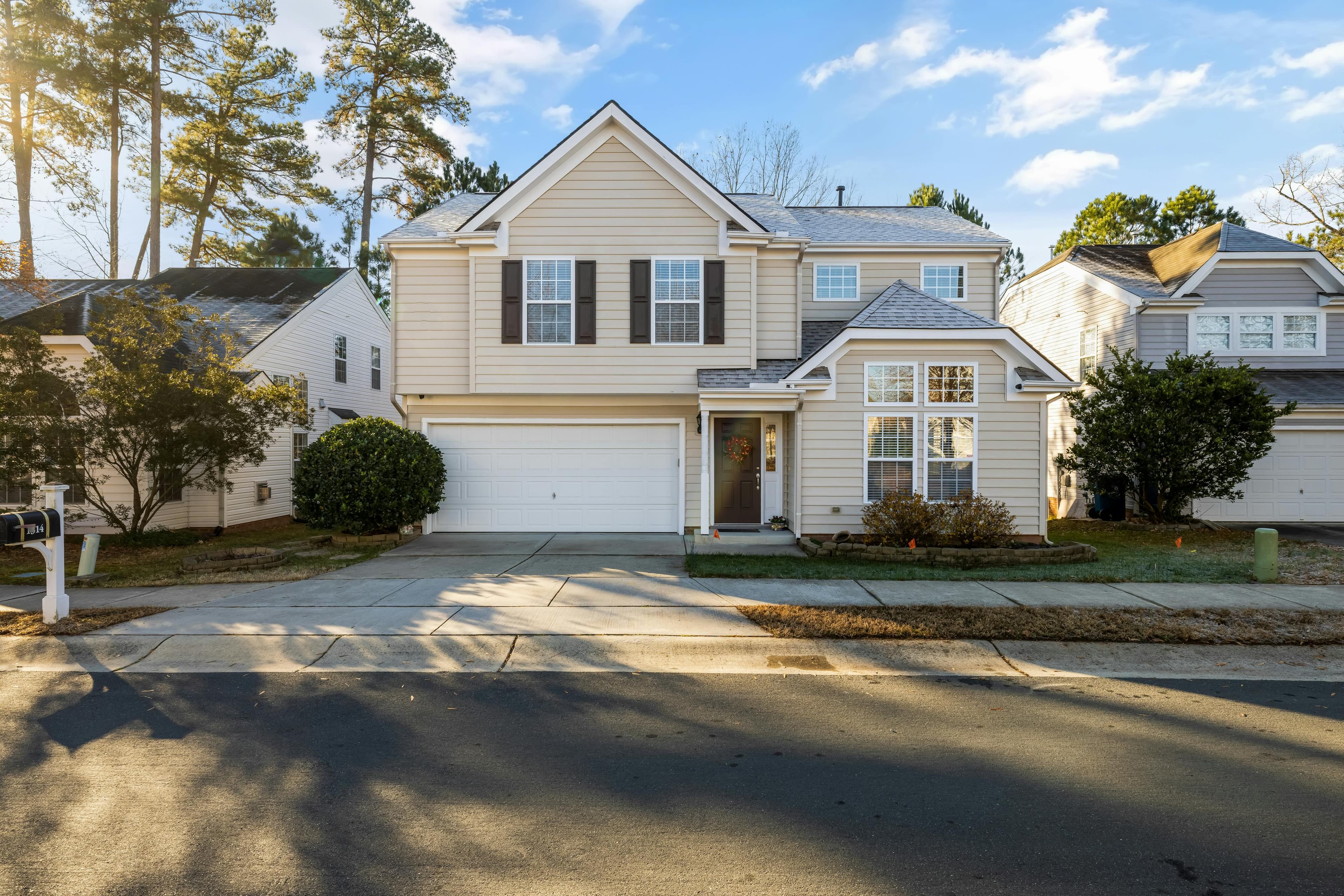
First impressions begin at the curb. According to NAR research, 71% of homebuyers consider curb appeal important when selecting a home. Studies from the University of Texas at Arlington found that homes with strong curb appeal sell for an average of 7% more than comparable properties with neglected exteriors.
| Curb Appeal Project | Estimated Cost | Estimated ROI |
|---|---|---|
| Basic Lawn Care | $300 - $500 | 200% - 267% |
| Fresh Mulch Installation | $200 - $400 | 100% - 150% |
| Garage Door Replacement | $1,300 - $4,500 | 100% - 194% |
| Steel Entry Door Replacement | $2,000 - $4,000 | 100% - 188% |
| Exterior Paint | $2,500 - $5,000 | 55% - 100% |
| Power Washing | $150 - $400 | 200% - 300% |
Creating an Inviting Entryway
Your front door is the centerpiece of curb appeal. A fresh coat of paint in a complementary color can transform the entire look of your home. Replace worn hardware, add a new welcome mat, update light fixtures, and consider flanking the entrance with potted plants. These relatively inexpensive updates create a welcoming first impression that sets the tone for the entire showing.
Landscaping Essentials
Start with the basics: mow the lawn, edge walkways, pull weeds, and trim overgrown shrubs. Add fresh mulch to flower beds and plant seasonal flowers for color. Clean gutters and downspouts, remove any dead plants, and ensure outdoor lighting works properly. Power wash driveways, walkways, patios, and the exterior of your home to remove dirt, mold, and mildew that accumulate over time.
Strategic Repairs and Updates
Not all repairs deliver equal value. Focus your budget on items that will either appear on a home inspection report or create immediate visual impact. The goal is eliminating red flags that could cause buyers to walk away or reduce their offers.
Essential Repairs to Complete
Address any safety hazards immediately. This includes exposed wires, broken railings, cracked walkways, and malfunctioning smoke detectors. Fix leaky faucets, running toilets, and any visible water damage. Repair or replace broken window seals, damaged screens, and doors that do not close properly. Fill holes in walls and touch up paint where needed.
Pay special attention to the kitchen and bathrooms, as these rooms drive buyer decisions. Replace dated hardware on cabinets, update faucets if they show significant wear, and ensure all appliances work properly. These spaces should sparkle.
Consider a Pre-Listing Inspection
Approximately 88% of buyers order home inspections before closing, and these inspections frequently uncover issues that lead to renegotiation or deal cancellation. By ordering your own pre-listing inspection, you gain several advantages. You can address problems before they become negotiating points. You can price your home appropriately based on its actual condition. You demonstrate transparency to buyers, building trust. You avoid unpleasant surprises that could derail a sale at the last minute.
A pre-listing inspection typically costs between $300 and $500, a small investment compared to the potential cost of a failed sale or forced price reduction.
Paint Colors That Sell
Neutral paint colors help buyers visualize their own furniture and decor in your space. This does not mean everything must be white. Warm grays, soft taupes, and greige (gray-beige) tones create inviting spaces without polarizing buyers. Reserve bolder colors for accent walls if desired, but keep the overall palette neutral throughout main living areas.
Colors That Attract Buyers
- Soft white and off-white tones
- Warm gray shades
- Greige (gray-beige blends)
- Light taupe
- Soft sage for accent walls
- Navy blue for front doors
Colors to Avoid
- Bright or neon colors
- Dark purple or burgundy
- Lime green or bright yellow
- Very dark wall colors throughout
- Pink in any room except nurseries
- Trendy colors that may feel dated
Staging Your Home to Sell
Home staging transforms your lived-in house into a product that appeals to the broadest possible audience. NAR research indicates that 81% of buyers' agents believe staging makes it easier for buyers to visualize a property as their future home. The investment typically ranges from 1% to 3% of your home's asking price, with returns often exceeding that cost significantly.
Rooms That Matter Most
Not all rooms carry equal weight with buyers. Focus your staging efforts and budget on the spaces that influence purchasing decisions most heavily.
DIY Staging Techniques
Professional stagers bring expertise, but many homeowners can achieve impressive results with thoughtful effort. Start by rearranging furniture to create clear pathways and conversational groupings. Pull furniture away from walls to create more intimate arrangements. Remove oversized pieces that make rooms feel cramped.
Add fresh elements throughout your home: new towels in bathrooms, decorative throws and pillows in living areas, and a bowl of fresh fruit in the kitchen. Set the dining table with attractive placemats and dishes. Ensure every room has a clear purpose, especially spare rooms that may have become catchalls for random items. Transform that junk room into a home office, guest bedroom, or exercise space.
Lighting Matters
Bright homes sell faster. Replace old light bulbs with modern LED bulbs that produce brighter, whiter light. Open all blinds and curtains before showings to maximize natural light. Add lamps to dark corners and ensure all fixtures work properly. Consider the wattage in each room and upgrade where needed. A well-lit home feels larger, cleaner, and more inviting.
Want Expert Guidance on Preparing Your Home?
Top-performing agents know exactly which improvements will maximize your sale price in your specific market. They have seen what works.
Connect With a Top Agent NowEliminating Odors and Creating Ambiance
Homeowners often become nose-blind to odors in their own homes. Pet smells, cooking odors, cigarette smoke, and mustiness can immediately turn off buyers, yet you may not even notice these scents anymore. This issue deserves serious attention because smell creates powerful emotional responses.
Identifying Problem Odors
Ask a trusted friend or your real estate agent to give you honest feedback about how your home smells. Common culprits include pet areas, garbage disposal drains, trash cans, musty basements, smoke residue, and lingering cooking smells. Sometimes the source hides in unexpected places like old carpet padding, HVAC systems, or even the garbage disposal.
Solutions That Work
Surface-level fixes like air fresheners and candles often mask odors temporarily rather than eliminating them. For serious odor issues, consider these approaches. Deep clean carpets professionally or replace them if odors persist. Clean or replace HVAC filters and consider having ducts professionally cleaned. For smoke odors, running a dehumidifier and leaving windows open for extended periods can help, though severe cases may require professional remediation. Pet accidents require thorough cleaning including subfloor treatment, as urine can soak through carpet into the padding and wood beneath.
Before showings, avoid cooking strong-smelling foods. Open windows for fresh air circulation. A light, neutral scent from a clean home is ideal. If you use any fragrance, keep it subtle as overwhelming scents can signal to buyers that you are hiding something.
Preparing for Professional Photography
Online listing photos determine whether buyers schedule showings. According to NAR, virtually all buyers use the internet during their home search, making your listing photos the most important marketing tool you have. Poor photos mean fewer showings, longer time on market, and potentially lower offers.
Before the Photographer Arrives
Complete all cleaning, decluttering, and staging before photography day. Remove all vehicles from the driveway and street in front of your home. Hide trash cans, garden hoses, and other utilitarian items. Turn on all lights, open all blinds and curtains, and put away pet bowls and beds. Make beds with attractive linens and add fresh flowers to key rooms.
Walk through each room and remove anything that does not contribute positively to the photograph. This includes bathroom toiletries, kitchen appliances on counters, refrigerator magnets, and personal items on nightstands. The goal is magazine-worthy presentation in every shot.
Maximizing Your Online Presence
Work with your agent to ensure your listing includes high-quality photography at minimum. Consider adding a video walkthrough and aerial photography to provide buyers with a complete picture of your property. Staged homes generate 73% more online views than those staged after initial marketing begins, underscoring the importance of having everything perfect before that first photo is taken.
The Complete Showing Day Checklist
Once your home hits the market, maintaining showing-ready condition becomes your daily responsibility. These checklists help ensure your home makes the best possible impression every time.
Before Every Showing
- Make all beds with decorative pillows
- Wipe down all bathroom surfaces
- Clear and wipe kitchen counters
- Empty all trash cans
- Turn on all lights
- Open all blinds and curtains
- Set thermostat to 70-72 degrees
- Put away all pet items and remove pets
- Hide valuables and medications
- Add fresh flowers or greenery
Quick Smell Check
- Empty garbage disposals and run with lemon
- Remove any food waste
- Check litter boxes if applicable
- Open windows briefly for fresh air
- Avoid cooking strong-smelling foods
- Put away gym bags and shoes
- Ensure bathrooms smell fresh
- Check that laundry is put away
Documentation and Warranties
Organized documentation builds buyer confidence and can prevent deal complications. Before listing, gather all relevant paperwork so it is ready when needed.
Documents to Prepare
Collect warranties and user manuals for all appliances that will remain with the home, including HVAC systems, water heaters, dishwashers, and any other equipment. Gather receipts for major repairs or improvements you have completed. If you have made upgrades like a new roof, furnace, or windows, having documentation of these improvements helps justify your asking price and reassures buyers about the home's condition.
Prepare your seller's disclosure carefully and honestly. This document requires you to reveal known issues with the property. While it may be tempting to minimize problems, honest disclosure protects you legally and builds trust with buyers. Issues discovered later can lead to lawsuits or failed deals.
Consider a Home Warranty
Offering a home warranty to the buyer can be a valuable marketing tool. It provides peace of mind that major systems and appliances will be covered if problems arise shortly after purchase. Sellers can also purchase coverage during the listing period to protect themselves from repair costs while the home is on the market. Home warranties typically cost between $400 and $700 annually and can help differentiate your listing in a competitive market.
Creative Tips to Make the Process Easier
Selling a home while living in it presents unique challenges. These strategies can help maintain your sanity while keeping your home show-ready.
The One-Bin Method
Keep a large decorative basket or bin in each main living area. When showings are scheduled, quickly gather everyday items like remote controls, magazines, mail, and phone chargers into these bins. Store them in a closet or your car during the showing, then return them afterward. This simple system makes rapid cleanup realistic without requiring constant perfection.
Create a Showing Kit
Assemble a portable caddy with cleaning supplies specifically for quick pre-showing touchups. Include glass cleaner, microfiber cloths, all-purpose wipes, air freshener, and paper towels. When you receive showing notification, grab your kit and do a rapid walkthrough to address any spots or smudges that have appeared.
Establish Daily Habits
Make beds every morning without exception. Run the dishwasher nightly and empty it before work. Wipe bathroom counters after morning routines. These small habits prevent the overwhelming scramble that comes with last-minute showing requests. A baseline of clean makes everything else manageable.
Plan Your Exit Strategy
Know where you will go during showings. Identify several options: a nearby coffee shop, a friend's house, a park, or a quick errand you can run. Having a plan eliminates stress when showing requests come in. If you have pets, establish their showing routine early so removing them becomes automatic rather than chaotic.
Common Mistakes to Avoid
Learning from others' mistakes can save you time, money, and frustration. These are the pitfalls that derail home sales most frequently.
Overpricing Based on Improvements
Sellers often overvalue their own renovations and updates. That $50,000 kitchen renovation does not add $50,000 to your home's value. Most improvements return between 50% and 80% of their cost at best. Price your home based on comparable sales, not what you have invested in it. Your agent can help you understand true market value through a comparative market analysis.
Neglecting Online Presentation
In an era where buyers start their search online, poor listing photos cost you showings. Never use cell phone photos, dark images, or shots that include clutter. Invest in professional photography and ensure your home is fully staged before the photographer arrives. You do not get a second chance to make a first impression, and that first impression now happens on a screen.
Ignoring Feedback
When your agent shares feedback from showings, listen carefully. If multiple buyers mention the same issue, whether it is dated flooring, a particular odor, or an awkward layout, take that feedback seriously. Dismissing buyer concerns as unimportant often leads to extended time on market and price reductions.
Being Present During Showings
Buyers need to explore freely and discuss the home openly with their agent. Your presence makes them uncomfortable and inhibits their ability to envision living there. Always leave during showings, and take your pets with you. The only exception might be for safety reasons in very rare circumstances, and even then, remain unobtrusive.
Get Personalized Advice for Your Home Sale
Every home and market is different. A top-performing agent can tell you exactly which preparations will maximize your return in your specific situation.
Find a Top Agent in Your AreaFrequently Asked Questions
Final Thoughts
Preparing your home for sale requires effort, but the payoff is substantial. Properly prepared homes sell faster and for higher prices than those that hit the market unprepared. By decluttering, cleaning thoroughly, boosting curb appeal, making strategic repairs, and presenting your home in its best light, you position yourself for success.
Remember that buyers are making one of the largest financial decisions of their lives. They want to feel confident about their purchase. A well-prepared home signals that the property has been cared for and maintained, reducing buyer anxiety and strengthening offers.
The most successful sellers approach preparation systematically, starting early and addressing each element methodically. They invest where it matters, avoid emotional over-improvements, and listen to professional guidance from experienced real estate agents who understand what buyers want.
Your home sale journey begins with preparation. Take the time to do it right, and you will be rewarded with a faster sale at a better price. The effort you invest now pays dividends at closing.